Author: admin

  • Why You Should Consider Tile Roofing

    Why You Should Consider Tile Roofing

    Tile roofing has remained a trusted roofing solution for centuries, combining durability, visual appeal, and long-term performance in a way few other materials can match. Homeowners often explore this option when they want a roof that not only protects the structure but also elevates curb appeal and overall property value. While the upfront investment can be higher than some alternatives, the long-term benefits frequently outweigh the initial cost, especially when the installation is handled by experienced tile roofers.

    Working with skilled tile roofers is often the difference between a roof that performs for decades and one that develops issues early in its lifespan. Because tile systems require precise installation techniques and proper structural support, the expertise involved plays a major role in the outcome. In this article, we will explore the advantages of tile roofing, how to choose qualified professionals, the material options available, and what kind of maintenance and cost expectations homeowners should keep in mind.

    What Are The Benefits of Tile Roofing?

    Tile roofing offers a combination of durability, aesthetics, and performance benefits that make it a standout choice for residential properties. One of the most significant advantages is longevity. Properly installed tile roofs can last 50 years or more, and in some cases even longer, especially when maintained correctly by experienced tile roofers who understand how to preserve the integrity of each tile system.

    Another key benefit is energy efficiency. Tile naturally provides thermal resistance, helping to regulate indoor temperatures throughout the year. According to The Tile Roofing Institute, independent testing conducted at the Department of Energy’s Oak Ridge National Laboratory found that tile roofing materials can reduce heat transfer compared to asphalt shingles by up to 70 percent. This means homes with tile roofs often require less energy for cooling, especially in warmer climates, which can lead to noticeable savings over time.

    Tile roofing is also highly resistant to fire, wind, and environmental wear. Unlike some roofing materials that degrade quickly under harsh conditions, tile maintains its structural integrity even in extreme weather. Many homeowners choose tile roofers specifically to ensure that this level of resilience is properly achieved during installation. In addition to performance benefits, tile also offers a timeless aesthetic that enhances a wide range of architectural styles, from Mediterranean to modern designs.

    How Do I Choose The Right Tile Roofers?

    Selecting the right professionals is one of the most important steps in any roofing project. Because tile roofing requires specialized knowledge, not all contractors are equally qualified. Homeowners should focus on finding experienced tile roofers who have a proven track record with tile installations rather than general roofing work.

    One of the first considerations is licensing and insurance. Reputable tile roofers will carry proper credentials and be able to demonstrate compliance with local building codes. This ensures not only safety but also accountability if issues arise during or after installation. Experience is another critical factor. Tile roofing involves heavier materials and more complex installation techniques than standard shingles, so working with professionals who have handled similar projects is essential.

    References and past project portfolios can also provide insight into the quality of work. Skilled tile roofers should be able to showcase completed roofs and provide client feedback that reflects consistency and reliability. It is also important to obtain multiple estimates, not just for pricing but for understanding how different tile roofers approach the project. Some may emphasize efficiency, while others focus on long-term performance or design customization.

    Communication is another key indicator. The best tile roofers take time to explain material options, installation timelines, and maintenance expectations clearly. This helps homeowners make informed decisions and avoid misunderstandings during the project.

    Are There Different Types Of Tile Roofing Materials?

    Yes, tile roofing comes in several material types, each offering distinct advantages depending on climate, budget, and design preferences. The most common options include clay, concrete, and slate tiles.

    Clay tiles are often associated with traditional and Mediterranean-style homes. They are known for their rich color and natural finish, which tends to age well over time. Concrete tiles, on the other hand, are more versatile in shape and color, making them a popular choice for homeowners seeking flexibility in design. Slate tiles offer a more premium appearance and are prized for their natural stone composition and exceptional durability.

    While material selection is important, proper installation remains just as critical. Even high-quality materials can underperform if not installed correctly by experienced tile roofers who understand structural load requirements and waterproofing techniques. Each material also has different weight considerations, which may require reinforcement of the roof structure before installation begins.

    What Maintenance Do Tile Roofs Require?

    Tile roofs are widely known for being low-maintenance compared to other roofing systems, but they are not entirely maintenance-free. Regular inspections are essential to ensure that individual tiles remain intact and that the underlayment is performing as expected. Over time, environmental factors such as wind, debris, and temperature changes can cause minor issues that should be addressed early.

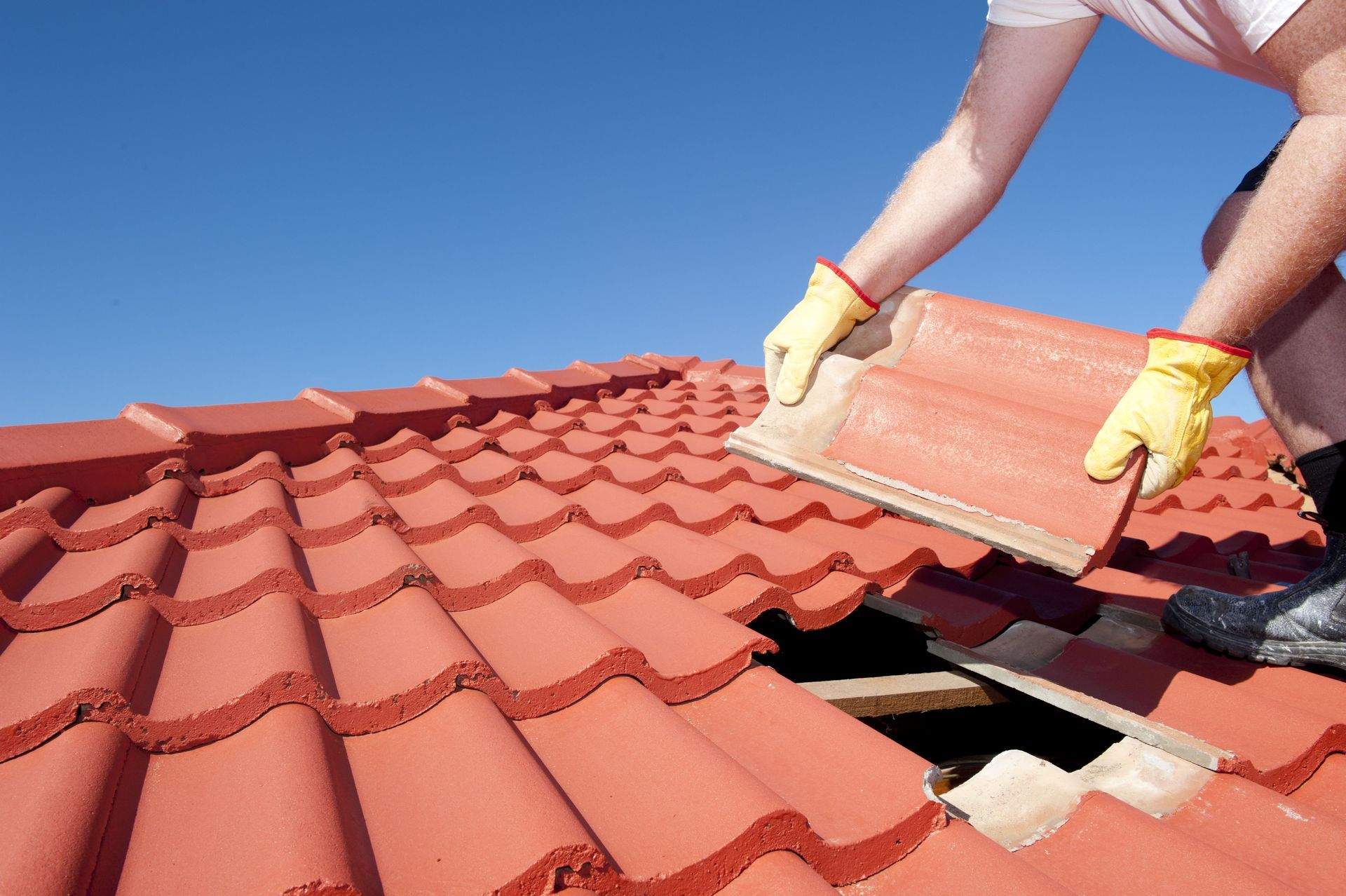
    Homeowners who rely on professional tile roofers for periodic inspections often benefit from early detection of potential problems. Cracked or displaced tiles can usually be replaced individually without needing to overhaul the entire roof, which helps keep long-term maintenance costs manageable.

    Cleaning is another important aspect of upkeep. While tile surfaces resist many forms of buildup, debris such as leaves and dirt can accumulate in valleys and gutters. Keeping these areas clear helps maintain proper drainage and prevents water from backing up under the tiles. Experienced tile roofers often recommend scheduled maintenance checks, especially after severe weather events, to ensure everything remains in proper condition.

    What Is The Cost Of Installing A Tile Roof?

    The cost of installing a tile roof varies significantly based on material type, roof complexity, and regional labor rates. Clay and slate tend to be more expensive due to their material properties and weight, while concrete tiles are often more budget-friendly while still offering strong durability.

    Labor also plays a major role in overall cost, particularly because installation must be handled by skilled tile roofers with specialized experience. The complexity of the roof design, including pitch, angles, and structural reinforcements, can further influence pricing. Homes with steep slopes or intricate layouts typically require more time and expertise, which increases labor costs.

    Although the initial investment is higher than that of asphalt shingles, many homeowners view tile roofing as a long-term financial advantage due to its extended lifespan and reduced maintenance needs. Working with reputable tile roofers can also help ensure that the installation is done correctly the first time, minimizing the likelihood of costly repairs in the future.

    Tile roofing remains one of the most durable and visually appealing roofing options available to homeowners today. Its long lifespan, energy efficiency, and resilience make it a strong investment for those looking to improve both the performance and appearance of their home. Choosing experienced tile roofers is essential to ensuring that the system is installed correctly and performs as expected over time.

    From material selection to maintenance planning, each step plays a role in maximizing the value of a tile roof. With the right approach and qualified tile roofers handling the installation, homeowners can expect a roofing system that delivers reliability and aesthetic appeal for decades. If you’re looking for a new roof, reach out to the team at Kirkey Roofing Inc today!
  • The Benefits of Tile Roofing

    The Benefits of Tile Roofing

    When it comes to choosing a roofing material that delivers beauty, durability, and long-term value, tile stands apart from virtually every other option available to Florida homeowners today. The distinctive appearance of a tile roof communicates quality and permanence in a way that lighter-weight alternatives simply cannot match from the street or the sky. Beyond the aesthetic impact, tile offers a range of performance benefits that make it particularly well-suited to the heat, humidity, and storm activity that characterize the Florida climate throughout most of the year. Understanding what makes this material such a compelling choice for homeowners in Sarasota County and beyond helps prospective buyers make a more informed and more confident roofing decision.

    Delivering Exceptional Longevity That Justifies the Investment

    According to Roof Calc, clay roof tiles are heat reflective and can help the average homeowner save 30% on their monthly energy costs, which is one of the most immediately practical reasons that tile roofers consistently recommend this material to homeowners who want both performance and financial return from their roofing investment. Tile roofing systems are engineered for extreme longevity, routinely lasting 50 years or more when properly installed and maintained by experienced professionals familiar with the specific demands of the Florida climate. The long service life of a tile roof fundamentally changes how the upfront cost of the material should be evaluated, because a roof that may need to be replaced only once in a homeowner’s lifetime delivers a lower lifetime cost than alternatives requiring two or three replacements over the same period of time.

    Reflecting Solar Heat to Reduce Cooling Costs

    Florida homeowners deal with intense solar radiation for the majority of the year, and the roofing material covering the home plays a direct and measurable role in how much of that heat transfers into the living space and places demand on the air conditioning system below. Tile roofers install systems that naturally allow air to circulate beneath each tile unit, creating a thermal break between the exterior surface and the roof deck that reduces heat transfer significantly compared to materials that lie flat against the deck without the same airflow benefit. This passive cooling effect works continuously without requiring any energy input from the household, making tile one of the most energy-efficient roofing options available in hot and sunny climates where cooling costs represent one of the largest monthly utility expenses a household carries throughout the year.

    Withstanding Florida’s Wind and Storm Conditions

    Florida’s hurricane season places exceptional demands on roofing systems, and the material chosen for a home in Sarasota County must be capable of performing reliably under the high wind speeds and wind-driven rain that significant tropical weather events produce with regularity throughout the season. Tile roofers who install systems using proper fastening methods and underlayment appropriate for Florida’s high-wind zones create installations that meet the building code wind resistance requirements designed to protect homes in the most demanding storm conditions the region regularly experiences. The mass and density of tile roofing materials also contribute to storm performance by resisting the uplift forces that peel lighter roofing systems from their decking during the wind events that routinely test every roof in the Gulf Coast region throughout the active storm months.

    Resisting Moisture, Mold, and Rot in Humid Conditions

    The persistent heat and humidity of the Florida environment create conditions that accelerate the deterioration of organic roofing materials through moisture absorption, mold growth, and the biological decay processes that humid conditions consistently promote throughout the year in coastal and subtropical climates. Tile roofers install clay and concrete materials that are naturally resistant to moisture absorption, meaning they do not swell, warp, or degrade in the same way that organic-based roofing products do when subjected to the same continuous humidity and intermittent rainfall that Florida homeowners experience throughout twelve months of the year. A roofing material that does not absorb moisture and does not support biological growth maintains its structural and visual integrity far longer than alternatives that are continuously weakened by the same environmental conditions that tile naturally resists without any chemical treatment or special maintenance.

    Enhancing Curb Appeal and Property Value

    The visual impact of a tile roof is immediately apparent to anyone who sees a home from the street, and the distinctive profiles available in clay and concrete tile create an architectural character that elevates the entire property’s appearance in ways that few other exterior materials can match at the same level of lasting visual richness. Tile roofers who execute a professional installation deliver a finished roofline with the consistent alignment, clean details, and color uniformity that make the roof a defining feature of the home’s architectural identity rather than simply a functional covering that is best seen as little as possible. Homes with tile roofing consistently command stronger buyer interest and higher appraisals in the Sarasota County market, where the material’s association with quality construction, low maintenance, and long-term durability makes it one of the most recognized and most valued roofing choices among buyers who understand what they are evaluating.

    Requiring Minimal Maintenance Compared to Other Materials

    One of the most practical advantages of tile roofing from the homeowner’s perspective is the relatively low ongoing maintenance demand compared to other roofing materials that require more frequent inspection, treatment, and repair to maintain their protective function throughout their service lives. Tile roofers who perform periodic inspections of installed systems typically find that properly installed tile roofs require only occasional attention to the underlying underlayment system and the occasional replacement of individual tiles that have been physically damaged by impact rather than the widespread surface treatments and repairs that wood, asphalt, and other materials consistently require on a more frequent schedule. Low maintenance demand translates directly into lower lifetime ownership costs that compound over the decades of a tile roof’s service life and that contribute meaningfully to the financial case for choosing tile as the material of choice when a new roof is being selected for a Florida home.

    Offering Style Variety That Complements Any Home’s Architecture

    The diversity of tile profiles, colors, and finishes available in the current market means that virtually any architectural style — from Mediterranean and Spanish Colonial to contemporary and coastal — can be authentically expressed through a tile roof that was selected specifically to complement the character of the individual home rather than defaulting to a generic option that fits the structure but does not enhance it. Tile roofers who work with a knowledgeable installation team can help homeowners evaluate profile options, including flat, low-profile, and high-profile tiles, alongside color selections that will coordinate with the home’s exterior palette, the surrounding landscape, and the character of the neighborhood where the property is located. The ability to customize the aesthetic of the tile installation gives homeowners a level of creative control over the finished roofline that most other roofing materials simply do not support to the same breadth of available options.

    Tile roofing offers Florida homeowners a uniquely compelling combination of longevity, energy efficiency, storm performance, low maintenance, and visual distinction that justifies its position as one of the most consistently chosen roofing materials in the Sarasota County market for homeowners who want the best available protection and the highest possible return on their roofing investment. From its heat-reflective properties and moisture resistance to its architectural beauty and strong market appeal, every benefit of a professionally installed tile roof reflects the kind of long-term thinking that makes it the right choice for the right property. Kirkey Roofing Inc has proudly served homeowners throughout Sarasota County, Charlotte County, and surrounding communities in Southwest Florida since 1951, offering tile roof installation, tile roof repair, asphalt shingle installation and repair, flat roof installation and repair, metal roof installation and repair, and roof inspections, all delivered by experienced tile roofers backed by over 75 years of family-owned expertise, workmanship and manufacturer warranties, free home roofing estimates with complimentary photo reports, emergency services, and special offers including up to $1,000 off a new roof. For more information, contact us today!

  • Tile Roofers Share Why Tiles Make a Great Alternative to Asphalt Shingles

    Tile Roofers Share Why Tiles Make a Great Alternative to Asphalt Shingles

    Roofing material selection affects home appearance, energy costs, maintenance requirements, and longevity, making informed choices critically important for satisfaction and value. Homeowners typically default to asphalt shingles without considering alternatives that might provide superior performance despite higher initial costs. Understanding what makes tile roofing advantageous helps you recognize why this premium material proves worth considering for your home. The difference between roofs lasting 20 years and those performing beautifully for 50-plus years often comes down to material selection. Learning what roofing specialists say about tile empowers you to make informed decisions about protecting your largest investment appropriately.

    Providing Exceptional Longevity and Durability

    According to the Tile Roofing Industry Alliance, air flow beneath tiles combined with a pitched roof design creates a natural, measurable cooling effect, which can reduce heat transfer by 70%. In our experience, tile roofs routinely last 50 to 100 years when properly installed and maintained, far exceeding the 20 to 25 year lifespans that asphalt shingles provide. This longevity means homeowners typically install one tile roof that lasts their entire ownership period rather than replacing shingles multiple times. The durability that tile materials demonstrate resists cracking, warping, and deterioration that destroys asphalt despite comparable weather exposure over decades. Experienced tile roofers emphasize longevity advantages, explaining how tile outlasts asphalt by decades despite higher initial installation costs for the material. They show examples of century-old tile roofs still performing well, demonstrating the proven durability that asphalt cannot match despite improvements. The longevity they describe justifies premium pricing through the decades of reliable service that eliminates replacement costs throughout extended ownership.

    Offering Superior Fire Resistance

    Tile materials prove non-combustible, earning Class A fire ratings that provide maximum protection against fire spread from external sources. This fire resistance proves particularly valuable in wildfire-prone regions where ember showers ignite combustible roofing materials, creating house fires. The fire protection that tile provides reduces insurance premiums in high-risk areas while providing genuine safety benefits that asphalt cannot deliver. Professional tile roofers highlight fire safety advantages, explaining how non-combustible tile protects homes in ways that flammable asphalt shingles cannot, despite treatments. They discuss insurance benefits, explain fire rating systems, and help homeowners understand how tile selection affects both safety and insurance costs. The fire protection they emphasize proves particularly compelling for properties in wildfire zones where roofing material directly affects survival odds.

    Withstanding Severe Weather Better

    Tile resists hail damage, high winds, and severe weather better than asphalt shingles that crack, tear, or blow off during storms. Properly installed tile withstands winds exceeding 150 mph while resisting the impact damage that hail creates on softer roofing materials. The weather resistance that tile demonstrates proves valuable in hurricane, tornado, and hail-prone regions where asphalt fails during severe events. Weather-focused roofers explain how tile weight and installation methods create wind resistance that lightweight asphalt cannot match, despite proper installation. They discuss hail ratings, show damage comparisons between materials, and explain why tile survives storms that destroy asphalt roofs. The storm performance they describe proves compelling for homeowners in severe weather zones where roofing durability directly affects property protection.

    Providing Natural Cooling and Energy Efficiency

    Tile installation creates an air space between roofing and decking, allowing heat dissipation that reduces cooling costs during summer months. This natural ventilation, combined with tile’s thermal mass, moderates attic temperatures, reducing the air conditioning loads that hot attics create. The energy efficiency that tile roofs deliver through passive cooling reduces utility costs while improving comfort during hot weather periods. Energy-conscious tile roofers emphasize cooling benefits, explaining how air circulation beneath tiles reduces heat transfer that asphalt roofs conduct into attics. They discuss energy savings potential, explain thermal mass benefits, and help homeowners understand how material selection affects cooling costs long-term. The efficiency advantages they describe often justify higher installation costs through the decades of reduced energy expenses that tile roofs provide.

    Offering Diverse Aesthetic Options

    Tile roofing provides extensive color, profile, and style options from traditional Spanish to modern flat profiles, matching various architectural styles. This aesthetic variety allows customization that asphalt’s limited options cannot match, despite color selections within basic three-tab or dimensional formats. The design flexibility that tile offers suits homes from Mediterranean to contemporary, providing appropriate materials regardless of architectural style preferences. Design-savvy tile roofers help homeowners select appropriate tile styles, colors, and profiles complementing home architecture rather than conflicting with design intentions. They show examples of different tile applications, explain how choices affect appearance, and ensure selections enhance rather than detract from properties. The aesthetic guidance they provide helps homeowners understand how tile selection affects curb appeal and architectural appropriateness throughout installations.

    Requiring Minimal Maintenance Over Decades

    Tile roofs need minimal maintenance beyond occasional inspections and debris removal, avoiding the repairs that asphalt roofs require as shingles deteriorate. This maintenance advantage saves time and money over roof lifespans, as tile resists the moss, algae, and deterioration requiring asphalt attention. The low-maintenance nature that tile demonstrates suits homeowners wanting reliable roofs without the constant attention that asphalt increasingly demands. Maintenance-focused tile roofers explain care requirements, emphasizing how tile needs far less attention than asphalt despite longer service lives and exposure. They discuss what maintenance tile requires, compare it against asphalt needs, and help homeowners understand long-term care commitments for different materials. The maintenance ease they describe proves appealing for homeowners wanting set-it-and-forget-it roofs rather than requiring constant monitoring and repairs.

    Resisting Pest and Rot Damage

    Tile’s hard, non-porous surface resists pest damage and cannot rot, eliminating problems that wooden shakes suffer despite treatments. This pest resistance means tile roofs don’t harbor insects or provide nesting materials that organic roofing materials attract, despite prevention efforts. The biological resistance that tile demonstrates prevents the deterioration that pests, moss, and algae create on organic materials over time. Pest-proof tile roofers emphasize how tile eliminates biological damage concerns that plague wood shakes and even asphalt shingles in humid climates. They explain how tile’s composition prevents pest attraction, discuss moss and algae resistance, and help homeowners understand material differences affecting maintenance. The biological resistance they describe eliminates entire categories of problems that other roofing materials require addressing, despite preventive treatments.

    Increasing Property Values Substantially

    Tile roofs enhance curb appeal and property values, often increasing home worth beyond installation costs when properties sell in competitive markets. This value enhancement proves particularly strong in areas where tile roofs are common, as homes without tile appear less desirable. The resale value that tile provides often exceeds installation costs, making it among the most financially sound home improvements for appreciation. Value-focused tile roofers explain how tile installation affects property values, discussing the return on investment that tile provides compared to asphalt. They show market data when available, discuss buyer preferences, and help homeowners understand how roofing material affects sale prices. The value proposition they present often justifies tile selection through the premium prices that tile-roofed homes command during sales.

    Understanding tile roofing advantages helps homeowners recognize why this premium material often proves worth considering despite higher installation costs. The longevity, performance, and aesthetic benefits that tile provides often justify initial investment through decades of superior service. Making informed roofing decisions ensures your home receives materials delivering the protection, efficiency, and appearance that quality installations require. Whether you need tile roof repair and replacement, shingle roof repair and replacement, flat roof repair and replacement, roof inspections, metal roof repair, or metal roof replacement, Kirkey Roofing Inc offers $750 off a new roof, $75 off roof repairs, and provides complimentary photo reports. For more information, contact us today!

  • 6 Ways Professional Roofers Extend the Life of Your Roof

    6 Ways Professional Roofers Extend the Life of Your Roof

    Your roof is one of the most important structural components of your property, yet it is often overlooked until problems arise. From shielding your home against harsh weather to contributing to overall energy efficiency and comfort, a well-maintained roof plays a critical role in daily living. This is why working with experienced roofers is not just a matter of convenience but a smart investment in the long-term condition of your property.

    Many homeowners assume that a roof will last as long as possible without much attention, but the reality is very different. Like any major system in your home, a roof requires ongoing care, expert evaluation, and timely intervention. Professional roofers bring the expertise, tools, and industry knowledge necessary to identify issues early and implement solutions that extend the lifespan of your roof.

    In this article, we’ll explore the key ways roofers help preserve and extend the life of your roof, ensuring it continues to perform effectively and reliably over time.

    1. Conduct Thorough Roof Inspections

    One of the most valuable services roofers provide is conducting detailed and routine inspections. These inspections go far beyond a glance at the surface. Professionals are trained to identify subtle signs of wear and damage that may not be visible to the untrained eye.

    During an inspection, roofers carefully examine shingles, flashing, vents, and structural components. They assess whether materials are beginning to weaken, shift, or deteriorate. Even minor changes in texture or alignment can signal early-stage issues that need attention.

    These inspections also involve checking for moisture intrusion, which is one of the most common threats to roofing systems. Roofers know where water is likely to accumulate and how to identify early signs of leaks before they become visible inside the home.

    Routine inspections give homeowners a clearer understanding of their roof’s condition. Instead of reacting to emergencies, they can make informed decisions about maintenance and repairs. This proactive approach helps extend the lifespan of the roof while avoiding unnecessary stress and disruption.

    2. Perform Preventive Maintenance

    Preventive maintenance is one of the most effective ways to extend the life of a roof, and it’s an area where roofers truly make a difference. Rather than waiting for damage to appear, professionals take steps to maintain the roof’s condition consistently.

    This includes removing debris such as leaves and branches that can trap moisture and accelerate deterioration. Roofers also clean and inspect drainage systems to ensure water flows away from the roof properly. Poor drainage can lead to standing water, which weakens materials over time.

    In addition, roofers reinforce vulnerable areas, reseal joints, and ensure protective barriers remain intact. These small but essential tasks help preserve the integrity of the roofing system.

    Preventive maintenance also plays a key role in protecting the home’s interior. By keeping the roof in optimal condition, roofers reduce the likelihood of leaks, mold growth, and structural damage. Over time, this consistent care adds up to significant improvements in durability and performance.

    3. Address Minor Repairs Promptly

    Small issues can quickly turn into major problems if left unaddressed. A loose shingle, a cracked seal, or minor flashing damage may seem insignificant at first, but these issues can worsen over time, especially when exposed to changing weather conditions.

    Professional roofers understand how quickly these minor concerns can escalate. That’s why they prioritize timely repairs, ensuring that even the smallest vulnerabilities are resolved before they lead to more extensive damage.

    By addressing minor repairs early, roofers help maintain the roof’s protective barrier. This prevents moisture from penetrating the structure and causing hidden damage that can be costly to repair later.

    Prompt repairs also contribute to the overall stability of the roof. When each component is functioning as it should, the system works together more effectively. This reduces strain on individual materials and extends the lifespan of the entire roof.

    4. Ensure Proper Roof Ventilation

    Ventilation is a critical factor in the longevity of a roof, yet it is often overlooked. Without proper airflow, heat and moisture can become trapped in the attic, leading to a range of problems that affect both the roof and the home.

    Roofers evaluate ventilation systems to ensure they are functioning efficiently. They check intake and exhaust points, making sure air can circulate freely. This helps regulate temperature and prevents excessive heat buildup, which can cause roofing materials to age prematurely.

    Moisture control is another important benefit of proper ventilation. When moisture accumulates, it can lead to mold growth, wood rot, and deterioration of insulation. Roofers address these issues by optimizing airflow and preventing condensation from forming.

    Good ventilation also supports energy efficiency. Maintaining balanced temperatures, it reduces the strain on heating and cooling systems. This not only benefits the roof but also enhances overall comfort within the home.

    5. Use High-Quality Materials and Techniques

    The materials used in roofing projects have a direct impact on how long a roof will last. Professional roofers have access to high-quality materials that are designed to withstand environmental stress and provide long-lasting performance.

    They also understand which materials are best suited for different climates and property types. This ensures that each roofing system is tailored to its environment, improving durability and resilience.

    In addition to selecting the right materials, roofers apply advanced installation techniques. Proper alignment, secure fastening, and effective sealing all contribute to a stronger and more reliable roof. These details may not always be visible, but they play a significant role in long-term performance.

    According to Forbes, roof replacements typically cost between $6,700 and $80,000, with most homeowners paying around $11,500. This highlights the importance of extending the life of your existing roof through quality materials and expert workmanship, helping you avoid premature replacement and unnecessary expenses.

    6. Provide Expert Recommendations and Long-Term Planning

    Roofers do more than perform inspections and repairs—they also serve as knowledgeable advisors. With their experience, they can provide valuable recommendations that help homeowners care for their roofs more effectively.

    This includes guidance on seasonal maintenance, warning signs to watch for, and strategies to protect the roof from environmental stress. Roofers can also help homeowners understand how aging materials may affect performance over time.

    Long-term planning is especially important when it comes to roofing. By working with professionals, homeowners can develop a maintenance schedule that aligns with their roof’s specific needs. This ensures consistent care and reduces the likelihood of unexpected issues.

    Roofers also help homeowners prioritize necessary work, allowing them to address concerns in a manageable and strategic way. This thoughtful approach supports the longevity of the roof while providing peace of mind.

    Extending the life of your roof requires more than occasional attention—it demands consistency, expertise, and a proactive approach. From thorough inspections and preventive maintenance to timely repairs and proper ventilation, roofers play a vital role in preserving the strength and reliability of your roofing system.

    By investing in professional care, homeowners can protect their property, improve energy efficiency, and avoid the stress of unexpected repairs. A well-maintained roof not only enhances the safety and comfort of your home but also contributes to its long-term value.

    Choosing to work with experienced roofers ensures that your roof receives the attention it deserves, allowing it to perform effectively for years to come.

    At Kirkey Roofing Inc, we take pride in helping homeowners protect and extend the life of their roofs through dependable service and expert care. We focus on proactive solutions, detailed evaluations, and long-term strategies that keep your roofing system performing at its best. When you work with us, we commit to delivering the attention and expertise your home deserves, ensuring your roof remains strong, secure, and built to last.

  • How Roofing Contractors Ensure Safety When Installing a Roof

    How Roofing Contractors Ensure Safety When Installing a Roof

    A new roof is more than just a visual upgrade; it protects a home, enhances curb appeal, and increases long-term property value. However, installing a roof involves elevated risks, heavy materials, and complex procedures. To ensure both worker and homeowner safety, professional roofing contractors follow strict protocols and best practices. Understanding these safety measures helps homeowners appreciate the expertise and care that goes into a quality roof installation.

    Contractors approach each roofing project systematically, combining training, preparation, and careful execution. Safety is always prioritized alongside efficiency and workmanship, ensuring that the home, its occupants, and the installation crew remain protected from start to finish. Their attention to detail extends to every aspect of the job, from equipment setup to final inspections, creating a controlled and secure work environment throughout the entire process.

    Prioritizing Worker Safety From Start to Finish

    Comprehensive Training and Certification

    Proper training is essential for maintaining safety on any roof installation. Reputable roofing contractors invest in ongoing education to make sure crews understand fall prevention, ladder safety, material handling, and local regulations. Workers are trained to identify potential hazards, from weak decking to steep slopes, so they can address risks before accidents occur. Training also includes strategies for working in adverse weather conditions, managing heavy equipment, and maintaining clear communication among team members to prevent mishaps.

    Certifications reinforce a contractor’s commitment to safety. By adhering to industry standards and updating procedures regularly, these companies ensure that their crews operate in a controlled and informed environment. Training and certification not only reduce accidents but also support consistent quality throughout the installation process, giving homeowners confidence in both safety and workmanship.

    Use of Personal Protective Equipment

    Personal protective equipment, or PPE, is a critical component of worker safety. Hard hats, non-slip boots, gloves, and eye protection guard against common hazards such as falling debris, sharp objects, and unstable surfaces. Fall protection systems like harnesses, guardrails, and anchor points are carefully installed and inspected before any work begins, ensuring that every team member is properly secured.

    Consistent use of PPE not only protects crews but also improves efficiency. When workers feel secure, they can focus fully on precise installation techniques. Professional roofing contractors enforce PPE usage as a standard practice across every project, and regular checks ensure that equipment remains in excellent condition throughout the job.

    Structured Worksite Procedures

    Organization is key to preventing accidents. Roofing contractors establish clear worksite procedures, including material staging, tool storage, and designated movement zones. Separating areas for debris collection and active installation reduces clutter and minimizes trip hazards.

    Experienced supervisors oversee the site, ensuring these procedures are followed and adjusting workflows as needed to respond to unexpected challenges. This oversight maintains safety standards from the removal of old roofing to the final installation, keeping the project both orderly and secure, while also supporting efficient progress and high-quality workmanship.

    Protecting the Property During Installation

    Safeguarding Landscaping and Exterior Features

    Roof installation impacts more than just the structure itself. Surrounding landscaping, walkways, and outdoor features must be protected throughout the project. Roofers use protective coverings over plants, shrubs, and outdoor furniture, while driveways and pathways may be shielded from heavy equipment or falling materials.

    This careful planning not only prevents damage but also demonstrates a commitment to professionalism and respect for the homeowner’s property. Crews anticipate potential risks, adjusting placement of tools and materials as needed. By doing so, they can maintain efficiency without compromising safety or the integrity of the home’s exterior spaces.

    Managing Debris and Waste Removal

    Roof installation generates a considerable amount of debris, including old shingles, nails, and underlayment materials. Contractors implement systems to collect and dispose of waste safely, strategically positioning dumpsters so as not to interfere with ongoing work. Magnetic tools are often used to pick up stray nails and small debris, reducing hazards.

    Regular cleanup throughout the project prevents dangerous accumulation of materials and helps maintain a safe, organized worksite. Ongoing attention to debris management minimizes the risk of injuries to both workers and homeowners and supports a smooth, efficient installation process.

    Preventing Structural Damage During Installation

    Before installing new materials, the existing roof is carefully removed, and the underlying decking is thoroughly inspected. Any signs of damage or weakness are addressed immediately, ensuring the new roof has a strong and stable foundation. Proper installation of flashing, underlayment, and ventilation components is essential for maintaining structural integrity and long-term performance.

    By strictly following manufacturer guidelines and local building codes, roofing contractors prevent future issues such as leaks, warped decking, or compromised ventilation. This attention to detail not only protects the home during installation but also ensures that the new roof provides reliable, lasting protection for years to come.

    Navigating Environmental and Practical Risks

    Monitoring Weather Conditions

    The weather significantly impacts roof installation safety. Rain, high winds, or extreme heat can create hazardous environments for workers and may compromise the quality of installed materials. Roofing contractors closely monitor forecasts and plan work schedules around changing conditions to maintain safety and efficiency. Crews are trained to recognize subtle weather risks, such as wet surfaces or gusty winds, and take precautions accordingly.

    Work may be paused if conditions become unsafe, protecting both crews and the home. Flexible scheduling ensures that materials are installed correctly and under optimal conditions, preventing mistakes, damage, or potential accidents. By proactively managing environmental factors, contractors can maintain high standards of safety and workmanship throughout the project.

    Using Proper Tools and Equipment

    The right tools are essential for both safety and installation quality. Nail guns, cutting tools, and scaffolding are regularly maintained and used in accordance with strict protocols. Roofing contractors train crews to operate equipment safely on sloped or uneven surfaces, reducing the risk of slips or injury.

    Ladders and scaffolding are positioned securely, inspected frequently, and adjusted as necessary to ensure stability. Proper tool usage and safe access points allow workers to focus on precise installation techniques without unnecessary risk. This careful attention to equipment also enhances efficiency, ensuring that work is completed correctly and on schedule.

    Coordinating Efficient Project Timelines

    Efficiency and safety go hand in hand during roof installation. Well-organized project timelines reduce the time workers spend in elevated or potentially hazardous areas. Clear schedules outline each stage of the project, from preparation and tear-off to underlayment and final inspection, allowing materials and labor to be coordinated effectively.

    According to HomeGuide, a newly installed roof can increase a home’s value, offering a typical return of 60% to 85% depending on material choice. By completing the installation safely and efficiently, contractors ensure that homeowners benefit from long-term protection, improved property value, and a high-quality finished roof.

    Safety is at the heart of every professional roof installation. Through comprehensive training, protective equipment, organized workspaces, and careful project planning, roofing contractors minimize risk while maintaining high standards of quality. They also protect the property, manage debris, and adapt to environmental conditions to ensure a secure and efficient installation process.

    Homeowners benefit from understanding these safety practices, as it highlights the expertise and professionalism behind a successful roof replacement. By choosing experienced contractors who prioritize safety at every stage, property owners can feel confident that their investment will provide lasting protection, enhanced curb appeal, and peace of mind for years to come. If you’re looking for safe and attentive professionals to install your roof, contact Kirkey Roofing Inc today!

  • 7 Reasons Asphalt Shingle Roofs Are a Popular Choice

    7 Reasons Asphalt Shingle Roofs Are a Popular Choice

    Choosing the right roofing material is one of the most important decisions a homeowner can make. Your roof serves as the first line of defense against the elements, while also contributing to your home’s overall appearance, energy efficiency, and long-term value. With so many materials available today, it can feel overwhelming to determine which option is best for your needs.

    Among all the choices, asphalt shingles remain one of the most popular and widely trusted roofing materials in residential construction. Their combination of affordability, durability, and versatility makes them a reliable option for homeowners across a variety of climates. Whether you’re replacing an aging roof or building from the ground up, understanding the advantages of asphalt shingles can help you make a confident and informed decision. Working with an experienced roofer ensures that your investment is installed properly and built to last.

    1. Providing Cost-Effective Roofing Solutions

    Affordability is one of the most appealing aspects of asphalt shingles. Compared to premium materials such as slate or metal, asphalt shingles offer a much lower upfront cost while still providing dependable performance. This makes them an ideal option for homeowners who want to protect their property without stretching their budget.

    In addition to lower material costs, installation is typically faster and more efficient. Because asphalt shingles are widely used, most contractors are highly familiar with the installation process. A skilled roofer can complete the job quickly and correctly, helping to reduce labor expenses. Over time, this cost-effective approach allows homeowners to achieve a durable and attractive roof without sacrificing quality.

    2. Delivering Reliable Durability Over Time

    Durability is another major reason asphalt shingles continue to be a top choice. These shingles are engineered to handle a variety of environmental conditions, including rain, wind, and seasonal temperature changes. When installed correctly, they create a strong protective barrier that helps prevent leaks and structural damage.

    According to Home Guide, a newly installed asphalt shingle roof can typically perform well for approximately 15 to 30 years, depending on maintenance and environmental factors. This lifespan provides excellent value for homeowners seeking a long-lasting solution. A knowledgeable roofer can ensure proper installation techniques are used, which plays a critical role in extending the life of your roof and maintaining its performance over time.

    3. Offering Versatile Design Options

    A roof does more than protect your home — it also enhances its visual appeal. Asphalt shingles are available in a wide variety of colors, patterns, and textures, making it easy to find a style that complements your home’s architecture. Whether you prefer a traditional appearance or a more modern look, there are options to suit your design preferences.

    Many asphalt shingles are also designed to mimic the look of more expensive materials such as wood shakes or slate tiles. This allows homeowners to achieve a high-end aesthetic without the added cost. With the guidance of a professional roofer, you can select shingles that elevate your home’s curb appeal while maintaining durability and functionality.

    4. Ensuring Ease of Installation and Repair

    One of the practical benefits of asphalt shingles is their ease of installation. Their lightweight design makes them easier to transport and handle compared to heavier roofing materials. This streamlined process reduces installation time and minimizes disruptions to your daily routine.

    Repairs are also straightforward and cost-effective. If damage occurs due to storms or general wear, individual shingles can often be replaced without the need for a full roof replacement. An experienced roofer can quickly identify problem areas and perform targeted repairs, helping you extend the life of your roof without significant expense.

    5. Supporting Energy Efficiency Improvements

    Energy efficiency is an increasingly important consideration for homeowners, and asphalt shingles can contribute to improved performance in this area. Many modern shingles are designed with reflective properties that help reduce heat absorption. This can keep your home cooler during hot weather and reduce the strain on your HVAC system.

    In addition to the shingles themselves, proper roof ventilation and insulation are essential for maximizing energy efficiency. A qualified roofer can assess your home’s needs and recommend solutions that enhance overall performance. By improving energy efficiency, you can enjoy lower utility bills and a more comfortable indoor environment throughout the year. A well-maintained roof plays a significant role in your home’s overall value and appearance. Asphalt shingles provide a clean, polished look that enhances curb appeal and makes a positive impression on potential buyers. Their affordability also means you can invest in a new roof without overextending your budget.

    6. Offering Strong Weather Resistance

    Asphalt shingles are built to withstand a wide range of weather conditions, making them a dependable choice for homeowners in various climates. They are designed to resist wind uplift, shed water effectively, and provide protection against harmful UV rays. Many products are also rated for enhanced impact resistance, which can be especially beneficial in areas prone to severe weather.

    Proper installation is key to ensuring these protective features perform as intended. A skilled roofer will follow manufacturer guidelines and use best practices to secure the shingles and create a watertight seal. This level of expertise helps protect your home from potential damage and gives you confidence during unpredictable weather conditions.

    7. Delivering Long-Term Value and Peace of Mind

    When evaluating roofing materials, long-term value is an important factor. Asphalt shingles offer a balanced combination of affordability, durability, and low maintenance requirements, making them a smart investment for many homeowners. Their widespread availability also means replacement materials are easy to find if repairs are needed in the future.

    Routine maintenance, such as inspections and minor repairs, can help extend the life of your roof and prevent costly issues. Partnering with a trusted roofer ensures that your roofing system remains in excellent condition year after year. This proactive approach provides peace of mind, knowing your home is well-protected.

    Selecting the right roofing material involves more than just comparing costs — it requires careful consideration of performance, appearance, and long-term benefits. Asphalt shingles consistently meet these criteria, which is why they remain a top choice for homeowners across the country. Their versatility allows them to adapt to different architectural styles and environmental conditions, making them a dependable option for a wide range of applications. By working with an experienced roofer, you can ensure that your roofing system is installed correctly and tailored to your specific needs. From choosing the right shingles to completing the installation, professional guidance helps you get the most out of your investment.

    Your roof plays a vital role in safeguarding your home and everything inside it. Investing in a high-quality roofing system not only enhances your property’s appearance but also provides long-term protection and value. Asphalt shingles offer a proven solution that balances performance and affordability, making them a practical choice for homeowners looking to upgrade their roofs. With proper care and expert installation, your roof can continue to perform reliably for decades. A dedicated roofer can help you maintain your roof and address any concerns before they become major issues, ensuring your home remains safe and secure.

    If you’re ready to invest in a durable and cost-effective roofing solution, Kirkey Roofing Inc is here to help. Our team is committed to delivering impeccable craftsmanship and reliable service tailored to your home’s needs. Contact Kirkey Roofing Inc today to schedule your consultation and discover how we can help you achieve a strong, long-lasting roof you can depend on.

  • 12 Reasons Tile Roofs Are a Smart Investment for Homeowners

    12 Reasons Tile Roofs Are a Smart Investment for Homeowners

    Choosing the right roofing material is a major decision that impacts your home’s durability, efficiency, and overall value. Tile roofs have become increasingly popular due to their longevity and timeless appeal. Understanding the benefits can help you determine whether this option is the right fit for your home.

    1. Offering Exceptional Longevity and Durability

    One of the most compelling reasons homeowners choose tile roofing is its impressive lifespan. Unlike many other roofing materials that may require replacement within a couple of decades, tile roofs are built to last.

    According to Forbes, clay and concrete tiles are among the most durable roofing materials and can last up to 50 years. This longevity makes tile roofing a cost-effective investment over time, even if the initial installation cost is higher.

    A professional tile roofer ensures proper installation techniques, which are essential for maximizing the lifespan and performance of the roof.

    2. Providing Strong Resistance to Harsh Weather

    Tile roofs are designed to withstand a wide range of weather conditions, making them ideal for various climates. They can resist heavy rain, high winds, and even hail when properly installed.

    Their weight and durability help them stay in place during storms, reducing the risk of damage compared to lighter materials. Additionally, tile roofs are resistant to rot and insect damage, which can affect other roofing options.

    Working with an experienced tile roofing company helps ensure that your roof is properly secured and capable of handling local weather challenges.

    3. Enhancing Energy Efficiency and Insulation

    Energy efficiency is an important consideration for homeowners, and tile roofs offer excellent thermal performance. The natural properties of clay and concrete help regulate indoor temperatures by reducing heat transfer.

    The space between the tiles and the roof deck creates a natural ventilation barrier, helping to keep your home cooler in the summer and warmer in the winter. This can lead to lower energy bills and improved comfort throughout the year.

    A knowledgeable tile roofer can recommend installation methods that maximize energy efficiency for your specific home.

    4. Adding Timeless Aesthetic Appeal

    Tile roofs are known for their classic and elegant appearance, which can significantly enhance a home’s curb appeal. Available in a variety of colors, shapes, and styles, they can complement different architectural designs.

    Whether you prefer a Mediterranean, Spanish, or modern look, tile roofing offers versatility in design. This aesthetic value can make your home stand out in the neighborhood and increase its overall attractiveness.

    A skilled tile roofing company can help you choose the right style and finish to match your home’s exterior.

    5. Increasing Property Value and Market Appeal

    Investing in a tile roof can boost your home’s resale value. Potential buyers often view tile roofing as a premium feature due to its durability and low maintenance requirements.

    A well-installed tile roof signals quality construction and long-term reliability, which can make your property more appealing in the real estate market. This added value can help you achieve a higher selling price if you decide to move.

    Partnering with a reputable tile roofer ensures that your investment translates into tangible benefits when it comes time to sell.

    6. Reducing Long-Term Maintenance Requirements

    Tile roofs require less frequent maintenance compared to many other roofing materials. Their durability means they are less prone to common issues such as cracking, warping, or corrosion.

    While occasional inspections and minor repairs may still be necessary, the overall maintenance demands are relatively low. This can save homeowners both time and money over the life of the roof.

    A trusted tile roofing company can provide maintenance guidance and services to keep your roof in excellent condition.

    7. Offering Excellent Fire Resistance

    Safety is a top priority for any homeowner, and tile roofs provide strong fire resistance. Clay and concrete tiles are non-combustible, which means they do not ignite easily when exposed to flames.

    This added protection can be especially valuable in areas prone to wildfires or other fire hazards. Choosing fire-resistant materials can also contribute to lower insurance premiums in some cases.

    A professional tile roofing company will ensure that your roof meets fire safety standards and is installed correctly for maximum protection.

    8. Supporting Environmentally Friendly Building Practices

    Sustainability is becoming increasingly important in home construction, and tile roofing is an environmentally friendly option. Many tiles are made from natural materials and can be recycled at the end of their lifespan.

    Their long lifespan also reduces the need for frequent replacements, minimizing waste. Additionally, their energy-efficient properties contribute to lower energy consumption.

    A knowledgeable tile roofing company can help you select eco-friendly materials and installation methods that align with your sustainability goals.

    9. Improving Structural Strength and Stability

    Tile roofs add structural strength to your home due to their weight and durability. This can enhance the overall stability of the roofing system and provide additional protection against external forces.

    Proper installation is crucial to ensure that the structure can support the weight of the tiles. Reinforcements may be necessary in some cases, depending on the existing framework.

    An experienced tile roofer will assess your home’s structure and make any necessary adjustments to ensure a secure installation.

    10. Minimizing Noise from External Elements

    Tile roofs can help reduce noise from rain, wind, and other external factors. Their density and design provide a natural sound barrier, creating a quieter indoor environment.

    This can be particularly beneficial for homes located in noisy areas or regions with frequent storms. The added comfort of reduced noise can enhance your overall living experience.

    A professional tile roofing company ensures proper installation, which plays a key role in achieving effective sound insulation.

    11. Allowing Versatile Design and Customization Options

    Tile roofing offers a wide range of customization options, allowing homeowners to achieve their desired look. From different colors and textures to unique shapes and patterns, the possibilities are extensive.

    This versatility makes it easy to tailor the roof to match your home’s style and personal preferences. Customization can also enhance the overall visual impact of your property.

    In addition to aesthetic choices, homeowners can select finishes that improve performance, such as reflective coatings that boost energy efficiency or specialized textures that provide added durability. You can also coordinate your roof with other exterior elements like siding, trim, and landscaping for a cohesive appearance. These design options make it easier to create a distinctive look that stands out in your neighborhood.

    A skilled tile roofer can guide you through the available options and help you create a design that suits your vision.

    12. Delivering Long-Term Cost Efficiency

    While tile roofs may have a higher upfront cost, their long-term value often outweighs the initial investment. Their durability, low maintenance needs, and energy efficiency contribute to overall cost savings.

    Fewer repairs and replacements mean lower expenses over time, making tile roofing a financially sound choice for many homeowners. Working with a reliable tile roofing company ensures that your investment is protected and delivers maximum value.

    Tile roofs offer a combination of durability, efficiency, and aesthetic appeal that makes them a smart investment for homeowners. Their long lifespan and low maintenance requirements provide lasting value over time. By working with an experienced tile roofer , you can enjoy the full benefits of a high-quality roofing system. If you’re looking for a reliable roof repair service for your next project, contact Kirkey Roofing Inc today to learn more and get started!

  • 4 Myths About Metal Roofs Debunked

    4 Myths About Metal Roofs Debunked

    The choice of roofing material is a critical decision for homeowners and builders alike, influencing both aesthetics and functionality. Despite its growing popularity, metal roofing is often plagued by misconceptions that lead potential buyers to overlook its benefits. This article delves into six prevalent myths about metal roofs and provides factual insights to help consumers make informed choices about this durable and versatile roofing option, especially when consulting experienced residential roofers.

    Myth 1: Metal Roofs Are Noisy

    Understanding the Source of the Myth

    The perception that metal roofs are excessively noisy likely originates from comparisons to old barn roofs or industrial tin roofing. In those settings, the metal sheets were typically installed without the sophisticated layers of insulation and underlayment used in modern residential applications. Such antiquated installations would indeed amplify the sound of raindrops, leading to the noisy stereotype. However, the reality of contemporary metal roofing systems is vastly different, having undergone significant technological advancements, as many residential roofers now emphasize advanced installation methods.

    Comparison with Other Roofing Materials

    When properly installed, metal roofs offer noise insulation that is comparable to, if not better than, traditional materials like asphalt shingles. The key to this lies in the structured layering of underlayment, mounting systems, and roof membranes, which effectively buffer sound. This design strategy is also commonly employed in other roofing solutions, where layers play a crucial role in noise absorption. In some cases, the acoustic performance of a metal roof can exceed that of wood shakes or clay tiles due to the advanced materials and insulation techniques employed by professional residential roofers.

    Advancements in Metal Roof Technology

    Modern manufacturing techniques have transformed metal roofs, integrating sound-dampening materials such as foam or solid sheathing. This technical evolution has been pivotal in mitigating noise issues, effectively quieting the concerns that once warranted hesitancy. With these developments, the roofing industry continues to innovate, improving both performance and customer satisfaction. Architectural advancements have also introduced seamless designs that prevent potential noise leaks. As technology progresses, metal roofs become increasingly quieter, making them a viable option for those averse to noise.

    Myth 2: Metal Roofs Are Prone to Rust

    History of Metal Roofing and Rust

    Historically, rust was a genuine concern for metal roofs due to the susceptibility of iron and untreated steel to oxidation. Over time, exposure to moisture and air would lead to rust build-up, compromising the integrity and appearance of the roof. This image of rusting, deteriorating roofs has lingered, casting a shadow over the prospects of metal roofing. However, advancements in materials science and engineering have addressed these issues, vastly improving resistance to rust.

    Technological Developments in Rust Prevention

    To combat rusting, today’s metal roofs are crafted with ultra-durable alloys such as aluminum, zinc, and copper, which inherently resist oxidation. Galvanization, a process where steel is coated in a layer of zinc, is a common method to prevent rust. This treatment ensures the longevity and robustness of the roofing material, even in challenging weather conditions. Additional innovations, such as aluminized and galvalume coatings, further enhance corrosion resistance, making modern metal roofs far more reliable than their predecessors when installed by qualified residential roofers.

    The Role of Coatings and Finishes

    Protective coatings play a pivotal role in safeguarding metal roofs against rust and other weathering effects. These finishes, which can include specialized paints or metallic coatings, act as a barrier to environmental elements. Not only do these coatings provide aesthetic flexibility through color variety, but they also contribute to the roof’s durability and resistance to rust. Periodic maintenance and reapplication of these finishes can extend the roof’s lifespan significantly. By focusing on coatings and finishes, homeowners can rest assured that their metal roof will resist rust for many years.

    Myth 3: Metal Roofs Attract Lightning

    The Physics of Lightning Strikes

    Lightning is a natural phenomenon drawn to the tallest point rather than specific materials. Common misconceptions might suggest metal roofs attract lightning due to their conductive properties, but this is not the case. The reasoning behind this myth fails to consider the physics governing lightning strikes and electrical grounding. A metal roof distributes electrical energy across its surface rather than concentrating it, reducing lightning-related damage risks. Therefore, the presence of metal on a roof does not inherently increase the likelihood of a lightning strike.

    Statistical Analysis of Metal Roofs and Lightning

    Statistical studies indicate that the presence of a metal roof does not significantly affect the probability of a home being struck by lightning. Research has shown that metal roofs are no more likely to attract a lightning strike than roofs made from other materials. This myth is dispelled further by examining insurance claim data, which often shows no increased frequency of claims for homes with metal roofs compared to others. Statistical rigor provides a clear narrative against the fear-based rhetoric surrounding metal roofing and lightning.

    Safety Standards in Metal Roofing

    Modern metal roofs adhere to stringent safety standards that account for electrical risks, including potential lightning strikes. These standards ensure that metal roofs provide equivalent or superior safety compared to traditional materials when dealing with lightning. In practice, metal roofs can offer improved safety by preventing the roof from catching fire, which is a risk for some other types of roofing materials. Comprehensive grounding and lightning protection systems enhance these safety measures, further protecting structures from lightning damage when systems are installed by experienced residential roofers.

    Myth 4: Metal Roofs Are Expensive

    Comparative Cost Analysis with Other Materials

    The upfront cost of installing a metal roof is often perceived as a significant barrier, leading to the myth of its expense. However, when compared to other premium materials like slate or tile, metal roofs can be competitively priced. A cost comparison reveals that metal roofing prices may align with or be slightly above those of asphalt shingles, but the value is assessed over time. The longevity and durability associated with metal roofs often offset initial costs, distinguishing them as a financially viable option. Evaluating roofing costs must consider the entire lifecycle, where metal roofing can excel.

    Long-term Cost Efficiency of Metal Roofs

    While the initial price point of metal roofing may be higher than some alternatives, its long-term cost efficiency is notable. Metal roofs boast a life expectancy double or more than that of traditional roofing options, spreading initial expenses over a longer period. Maintenance costs are minimal due to the robust nature of metal, which is resistant to common issues affecting other roofs, such as rot or insect damage. Additional cost savings are realized with fewer replacement needs; according to HomeGuide, most roof replacement projects take between one and eight days to complete, impacting labor expenses. This reinforces that a metal roof’s longevity and reduced maintenance can result in substantial financial benefits over time, particularly when working with trusted residential roofers.

    Energy Savings and Metal Roofing

    Metal roofs contribute to energy savings through their reflective properties, which lower cooling costs by deflecting solar heat. This capacity to reflect more sunlight than other materials results in reduced energy consumption for interior climate control. In energy-demanding climates, this efficiency translates to significant cost savings over the roof’s lifetime. The use of advanced coatings further enhances energy performance, making them a practical choice for eco-conscious homeowners.

    The myths surrounding metal roofing often stem from outdated perceptions or misinformation. Through technological advancements and factual evidence, metal roofs have emerged as a versatile, sustainable, and reliable option for modern construction. By dismantling these myths, consumers are encouraged to base their roofing decisions on an understanding of the benefits posited by metal roofing. It is through this process of education and myth busting that metal roofs can be appreciated as a forward-thinking choice when guided by knowledgeable residential roofers . As the industry continues to evolve, metal roofs hold their position as a top contender in the world of building materials. Ready to upgrade your roof with confidence? Contact Kirkey Roofing Inc today for expert guidance and professional metal roofing solutions.

  • Here’s Why Tile Roofers Are in Demand These Days

    Here’s Why Tile Roofers Are in Demand These Days

    In the realm of home improvement and construction, the spotlight has increasingly turned toward tile roofing. With their timeless appeal and array of functional benefits, tile roofs have captivated the interest of homeowners and builders alike. This resurgence in interest has, undoubtedly, led to a spike in demand for skilled tile roofers to fulfill the burgeoning need for expert installation and repair services. But what exactly is driving this trend, and why has tile roofing emerged as the first choice for those looking to upgrade or build anew?

    Timeless Aesthetic Appeal

    One of the primary reasons tile roofers are in high demand is the timeless aesthetic appeal of tile roofs. With a range of colors, shapes, and styles, tile roofing adds a distinct character and beauty to any home. From the classic terracotta tiles that evoke the charm of Mediterranean architecture to more modern options that can complement contemporary designs, tile roofing contributes a unique visual flair that sets properties apart. As homeowners prioritize curb appeal and the unique identity of their homes, tile roofers can provide an inviting and sophisticated option that meets both traditional and modern sensibilities.

    Durability and Longevity

    Another compelling reason for the growing demand for tile roofing is its remarkable durability and longevity. When properly installed by professional tile roofers, tile roofs can last for decades, making them a cost-effective choice in the long run. Unlike some other roofing materials that require frequent replacement or repairs, tiles stand the test of time and withstand extreme weather conditions, from intense heat to heavy rainfalls. This resilience is not only a financial incentive for homeowners but also underscores the wisdom behind investing in quality roofing solutions, leading to a steady need for skilled tile roofers who can deliver on these promises.

    Environmental Sustainability

    In today’s environmentally conscious world, the sustainable advantages of tile roofing are hard to overlook. Clay and concrete tiles, for instance, are made from natural materials, which makes them eco-friendly and recyclable. Furthermore, their superior thermal performance can lead to reduced energy consumption, as they help insulate homes and maintain comfortable indoor temperatures. This environmental benefit not only aligns with the values of environmentally conscious homeowners but also complies with evolving regulations and standards, increasing the demand for professionals adept in tile roofing applications.

    Market Growth and Availability

    The availability and the projected market growth for roofing tile have also contributed to the increased demand for tile roofers. According to Freedonia Group, demand in the US for roofing tile in 2024 is expected to reach 6.6 million squares. This substantial market size points to a ripe opportunity for roofers specializing in tile applications. As the industry prepares to meet this demand, roofers skilled in tile installation are positioned to thrive, tapping into not only residential projects but also expanding opportunities in commercial and public works, further amplifying the significance of experienced tile roofers.

    Resilience to Climate Change

    With growing awareness about climate change and its impacts, tile roofing stands out for its resilience against various environmental stresses. Tile roofs are known for their fire resistance and ability to withstand harsh weather conditions, making them an ideal choice in regions prone to wildfires or stormy climates. Homeowners are increasingly seeking reliable solutions that provide peace of mind in the face of climatic unpredictability, thus turning to tile roofers who can ensure the installation of long-lasting, protective roofs. This drive towards securing resilient infrastructures further underscores why the expertise of tile roofers is in such high demand today.

    In summary, the increased demand for tile roofers is fueled by various factors, from the timeless beauty and robustness of tile roofs to their environmental benefits and market growth. As these factors continue to influence homeowner and builder preferences, the need for skilled professionals in tile roofing is set to climb, promising a thriving landscape for roofers adept in this specialized service. Whether driven by aesthetics, longevity, sustainability, or climate resilience, tile roofing provides a multifaceted solution that resonates across consumer segments, ensuring that tile roofers such as those at Kirkey Roofing Inc remain cornerstone professionals in the construction and renovation sectors. Get started with a tile roof today by reaching out to our experts and asking for a free home roofing estimate!

  • 6 Reasons the Demand for Roofers in the Sunshine State Is High

    6 Reasons the Demand for Roofers in the Sunshine State Is High

    Florida, known far and wide as the Sunshine State, is famous for its beautiful beaches, sunny weather, and vibrant culture. However, beneath the veneer of paradise lies a bustling construction industry that never sleeps. Among the many crucial components of this industry, roofers stand out. Their services are in higher demand here than in most other parts of the country. In this post, we will explore several compelling reasons why the demand for roofers in Florida remains exceptionally high and continues to grow year after year.

    1. Withstanding Hurricanes and Tropical Storms

    Florida’s geographical position makes it especially vulnerable to hurricanes and tropical storms. These powerful weather events often bring intense winds, torrential rain, and flying debris—conditions that take a severe toll on roofs. After such storms, it is common to see widespread roof damage, ranging from missing shingles and punctures to complete structural failure. These impacts create a sudden, overwhelming need for skilled roofing professionals to perform inspections, repairs, and full replacements. Demand peaks during and after hurricane season, often leading to waiting lists for quality roofing services. This recurring weather pattern keeps the need for roofers consistently high throughout the year.

    2. Accommodating Population Growth and Urban Expansion

    Florida continues to rank among the fastest-growing states in the U.S., drawing new residents with its warm climate, job opportunities, and favorable tax environment. As more people move in, the construction of new housing developments, apartment complexes, and commercial buildings surges. Every new structure requires a reliable roof, placing roofers at the heart of Florida’s growth. Urban development also extends to infrastructure upgrades, such as schools, hospitals, shopping centers, and office buildings. These construction projects, both residential and commercial, fuel an ever-growing need for roofing contractors across the state.

    3. Addressing Aging Infrastructure and Roofing Systems

    Many homes and commercial buildings in Florida were built decades ago, and their roofing systems are nearing the end of their useful lives. Constant exposure to the sun, humidity, salt air, and seasonal storms accelerates wear and deterioration. Aging roofs are prone to leaks, mold growth, structural weakening, and energy inefficiency. Property owners facing these issues often opt for repairs or complete roof replacements to restore safety and value. This ongoing need for roof maintenance and restoration contributes heavily to the steady demand for experienced roofing professionals throughout Florida’s diverse communities.

    4. Supporting Tourism Growth and Hospitality Construction

    Tourism is a cornerstone of Florida’s economy, drawing millions of visitors annually to cities like Orlando, Miami, Tampa, and the Florida Keys. The hospitality industry, in response, continuously expands its inventory of hotels, resorts, entertainment venues, and vacation properties. These buildings require top-tier roofing systems that not only offer protection from the elements but also add visual appeal to attract guests. Regular maintenance and timely upgrades are essential to meet customer expectations and avoid disruptions. The ongoing construction and upkeep in tourism-driven regions significantly elevate the demand for roofing services year-round.

    5. Expanding Workforce and Professional Expertise

    According to Consumer Affairs, Florida was home to more than 25,000 roofers as of May 2023, surpassing California and Illinois by a wide margin. This strong representation indicates a thriving and competitive industry. The availability of a large, skilled workforce allows Florida roofing companies to handle increased demand without sacrificing quality or efficiency. In addition, many roofing professionals in the state participate in certification programs and adhere to industry best practices, raising the standard of workmanship. This industry maturity not only supports demand but also builds consumer trust and drives innovation in roofing techniques and materials.

    6. Meeting Seasonal Demands and Energy Goals

    In Florida, roofing is not just about protection—it is also a key factor in energy efficiency. With year-round heat and intense sunshine, homeowners and businesses are increasingly investing in reflective roofing materials and insulation improvements to reduce energy costs. Seasonal factors, such as preparing for summer heat or winter rain, also drive spikes in roofing activity. Energy-efficient roofing solutions, including cool roofs and solar-integrated systems, are growing in popularity, adding to the demand for roofing experts who can deliver modern, sustainable solutions tailored to Florida’s climate.

    The significant demand for roofers in Florida is not a mere coincidence; it is the result of multiple interacting factors. From unpredictable weather patterns and rapid urban expansion to tourism demands, aging infrastructure, and a robust workforce, Florida’s need for competent roofing professionals shows no signs of waning. Understanding these reasons offers valuable insight into the critical role roofers play in maintaining and developing the Sunshine State’s architectural landscape.

    For dependable, expert roofing solutions tailored to Florida’s unique climate and needs, trust Kirkey Roofing Inc. Contact us today to schedule a consultation and ensure your property is protected with quality craftsmanship that lasts.