Category: Buyer Advice & Guarantees

  • How Roofing Contractors Ensure Safety When Installing a Roof

    How Roofing Contractors Ensure Safety When Installing a Roof

    A new roof is more than just a visual upgrade; it protects a home, enhances curb appeal, and increases long-term property value. However, installing a roof involves elevated risks, heavy materials, and complex procedures. To ensure both worker and homeowner safety, professional roofing contractors follow strict protocols and best practices. Understanding these safety measures helps homeowners appreciate the expertise and care that goes into a quality roof installation.

    Contractors approach each roofing project systematically, combining training, preparation, and careful execution. Safety is always prioritized alongside efficiency and workmanship, ensuring that the home, its occupants, and the installation crew remain protected from start to finish. Their attention to detail extends to every aspect of the job, from equipment setup to final inspections, creating a controlled and secure work environment throughout the entire process.

    Prioritizing Worker Safety From Start to Finish

    Comprehensive Training and Certification

    Proper training is essential for maintaining safety on any roof installation. Reputable roofing contractors invest in ongoing education to make sure crews understand fall prevention, ladder safety, material handling, and local regulations. Workers are trained to identify potential hazards, from weak decking to steep slopes, so they can address risks before accidents occur. Training also includes strategies for working in adverse weather conditions, managing heavy equipment, and maintaining clear communication among team members to prevent mishaps.

    Certifications reinforce a contractor’s commitment to safety. By adhering to industry standards and updating procedures regularly, these companies ensure that their crews operate in a controlled and informed environment. Training and certification not only reduce accidents but also support consistent quality throughout the installation process, giving homeowners confidence in both safety and workmanship.

    Use of Personal Protective Equipment

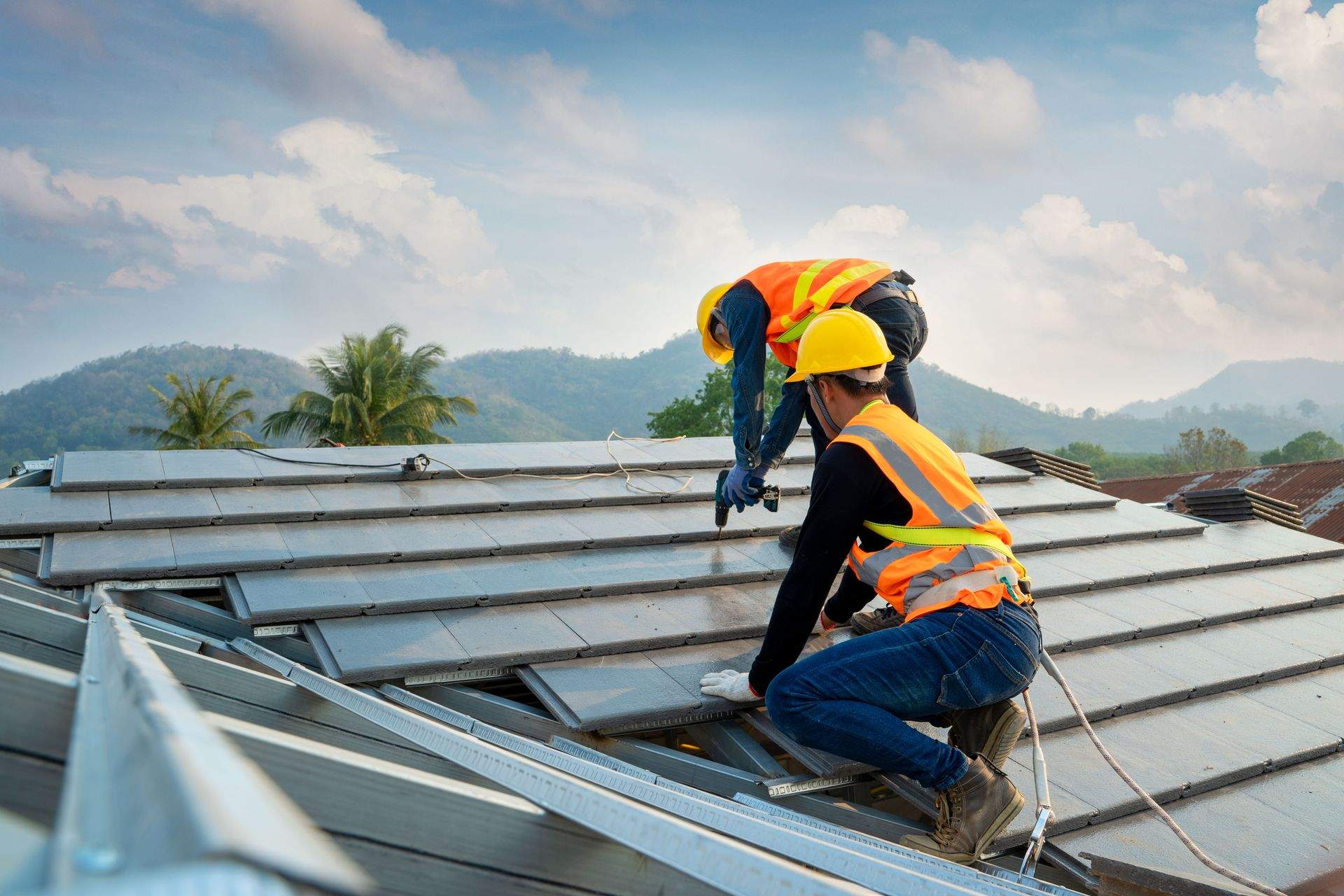
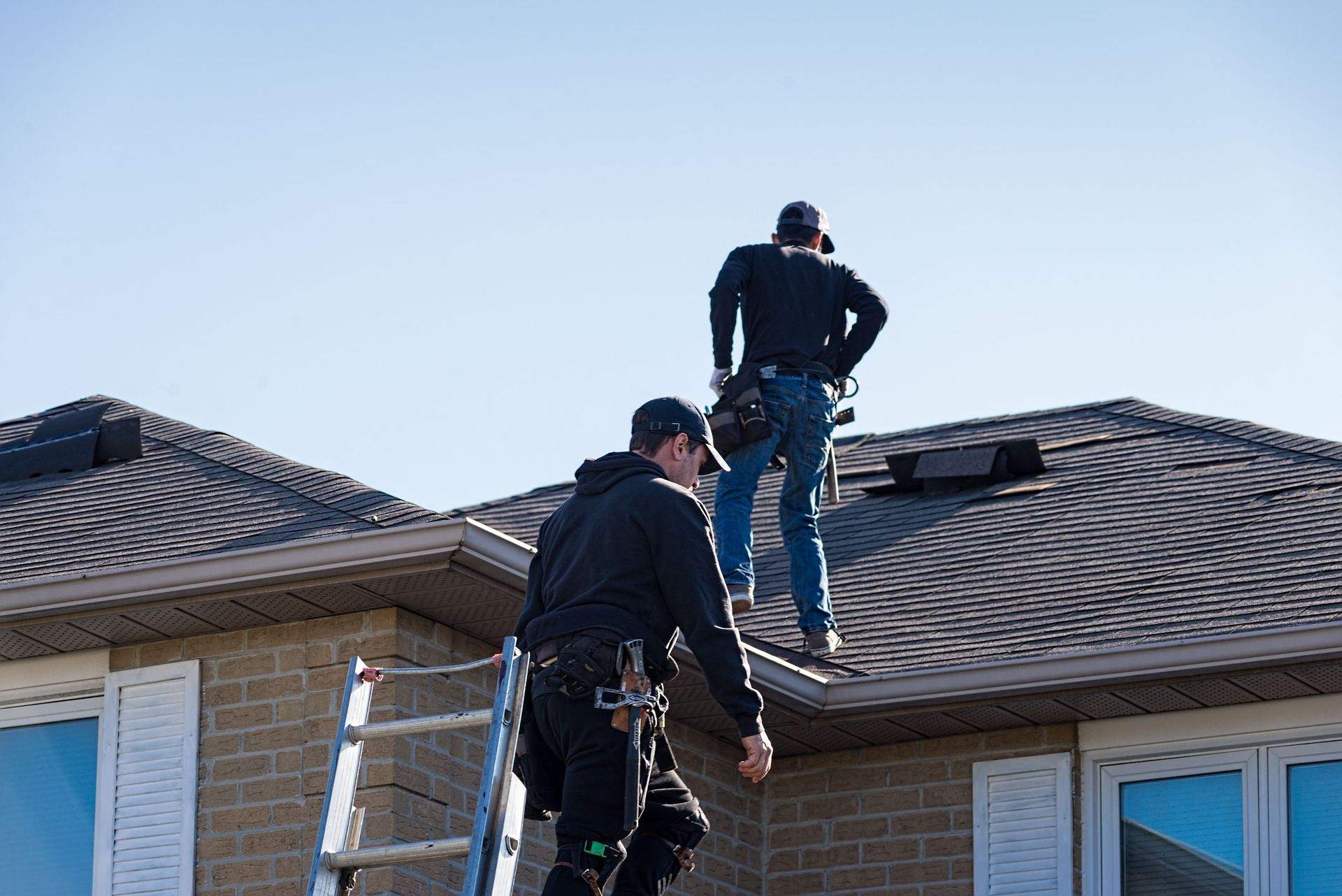
    Personal protective equipment, or PPE, is a critical component of worker safety. Hard hats, non-slip boots, gloves, and eye protection guard against common hazards such as falling debris, sharp objects, and unstable surfaces. Fall protection systems like harnesses, guardrails, and anchor points are carefully installed and inspected before any work begins, ensuring that every team member is properly secured.

    Consistent use of PPE not only protects crews but also improves efficiency. When workers feel secure, they can focus fully on precise installation techniques. Professional roofing contractors enforce PPE usage as a standard practice across every project, and regular checks ensure that equipment remains in excellent condition throughout the job.

    Structured Worksite Procedures

    Organization is key to preventing accidents. Roofing contractors establish clear worksite procedures, including material staging, tool storage, and designated movement zones. Separating areas for debris collection and active installation reduces clutter and minimizes trip hazards.

    Experienced supervisors oversee the site, ensuring these procedures are followed and adjusting workflows as needed to respond to unexpected challenges. This oversight maintains safety standards from the removal of old roofing to the final installation, keeping the project both orderly and secure, while also supporting efficient progress and high-quality workmanship.

    Protecting the Property During Installation

    Safeguarding Landscaping and Exterior Features

    Roof installation impacts more than just the structure itself. Surrounding landscaping, walkways, and outdoor features must be protected throughout the project. Roofers use protective coverings over plants, shrubs, and outdoor furniture, while driveways and pathways may be shielded from heavy equipment or falling materials.

    This careful planning not only prevents damage but also demonstrates a commitment to professionalism and respect for the homeowner’s property. Crews anticipate potential risks, adjusting placement of tools and materials as needed. By doing so, they can maintain efficiency without compromising safety or the integrity of the home’s exterior spaces.

    Managing Debris and Waste Removal

    Roof installation generates a considerable amount of debris, including old shingles, nails, and underlayment materials. Contractors implement systems to collect and dispose of waste safely, strategically positioning dumpsters so as not to interfere with ongoing work. Magnetic tools are often used to pick up stray nails and small debris, reducing hazards.

    Regular cleanup throughout the project prevents dangerous accumulation of materials and helps maintain a safe, organized worksite. Ongoing attention to debris management minimizes the risk of injuries to both workers and homeowners and supports a smooth, efficient installation process.

    Preventing Structural Damage During Installation

    Before installing new materials, the existing roof is carefully removed, and the underlying decking is thoroughly inspected. Any signs of damage or weakness are addressed immediately, ensuring the new roof has a strong and stable foundation. Proper installation of flashing, underlayment, and ventilation components is essential for maintaining structural integrity and long-term performance.

    By strictly following manufacturer guidelines and local building codes, roofing contractors prevent future issues such as leaks, warped decking, or compromised ventilation. This attention to detail not only protects the home during installation but also ensures that the new roof provides reliable, lasting protection for years to come.

    Navigating Environmental and Practical Risks

    Monitoring Weather Conditions

    The weather significantly impacts roof installation safety. Rain, high winds, or extreme heat can create hazardous environments for workers and may compromise the quality of installed materials. Roofing contractors closely monitor forecasts and plan work schedules around changing conditions to maintain safety and efficiency. Crews are trained to recognize subtle weather risks, such as wet surfaces or gusty winds, and take precautions accordingly.

    Work may be paused if conditions become unsafe, protecting both crews and the home. Flexible scheduling ensures that materials are installed correctly and under optimal conditions, preventing mistakes, damage, or potential accidents. By proactively managing environmental factors, contractors can maintain high standards of safety and workmanship throughout the project.

    Using Proper Tools and Equipment

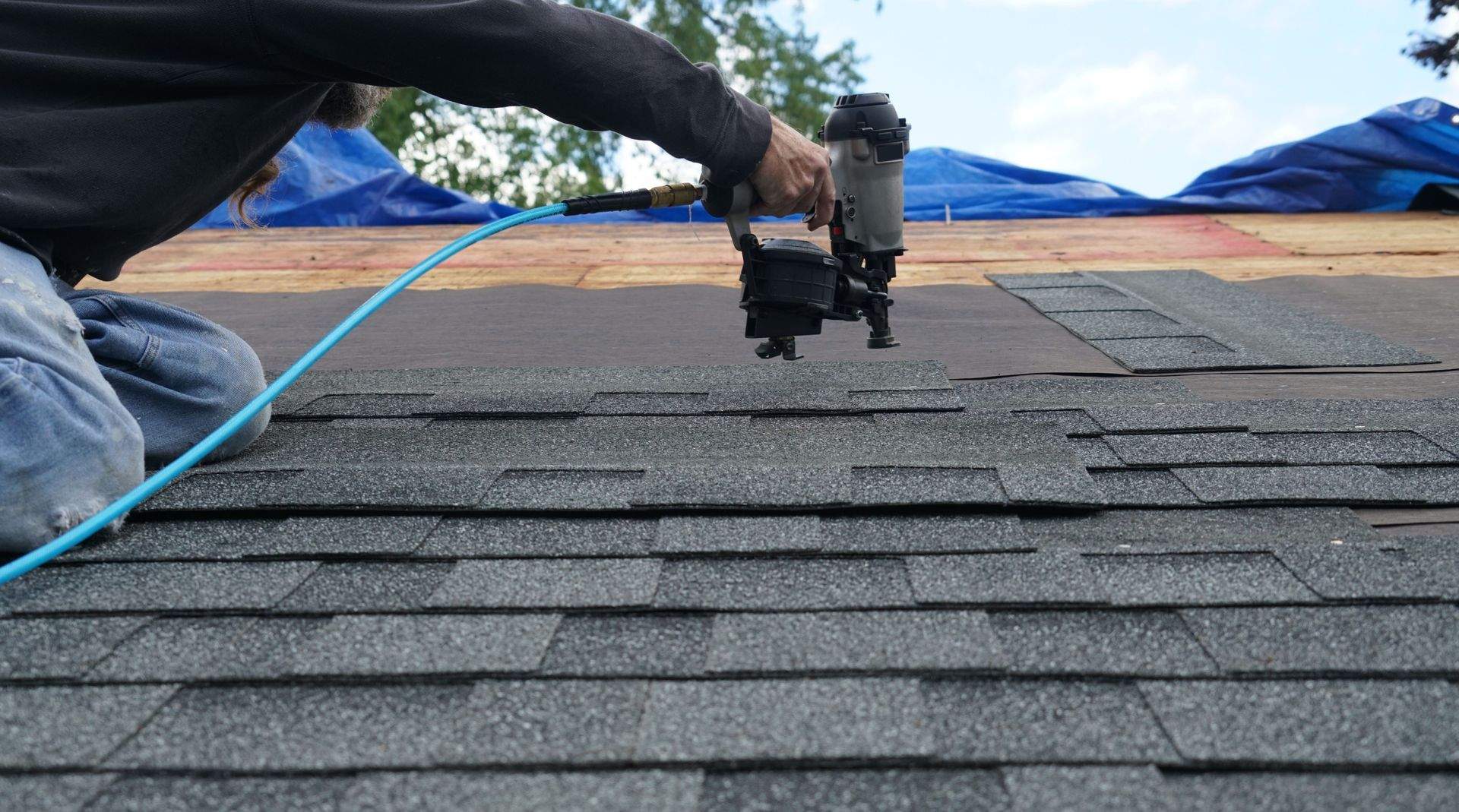
    The right tools are essential for both safety and installation quality. Nail guns, cutting tools, and scaffolding are regularly maintained and used in accordance with strict protocols. Roofing contractors train crews to operate equipment safely on sloped or uneven surfaces, reducing the risk of slips or injury.

    Ladders and scaffolding are positioned securely, inspected frequently, and adjusted as necessary to ensure stability. Proper tool usage and safe access points allow workers to focus on precise installation techniques without unnecessary risk. This careful attention to equipment also enhances efficiency, ensuring that work is completed correctly and on schedule.

    Coordinating Efficient Project Timelines

    Efficiency and safety go hand in hand during roof installation. Well-organized project timelines reduce the time workers spend in elevated or potentially hazardous areas. Clear schedules outline each stage of the project, from preparation and tear-off to underlayment and final inspection, allowing materials and labor to be coordinated effectively.

    According to HomeGuide, a newly installed roof can increase a home’s value, offering a typical return of 60% to 85% depending on material choice. By completing the installation safely and efficiently, contractors ensure that homeowners benefit from long-term protection, improved property value, and a high-quality finished roof.

    Safety is at the heart of every professional roof installation. Through comprehensive training, protective equipment, organized workspaces, and careful project planning, roofing contractors minimize risk while maintaining high standards of quality. They also protect the property, manage debris, and adapt to environmental conditions to ensure a secure and efficient installation process.

    Homeowners benefit from understanding these safety practices, as it highlights the expertise and professionalism behind a successful roof replacement. By choosing experienced contractors who prioritize safety at every stage, property owners can feel confident that their investment will provide lasting protection, enhanced curb appeal, and peace of mind for years to come. If you’re looking for safe and attentive professionals to install your roof, contact Kirkey Roofing Inc today!
  • 6 Reasons the Demand for Roofers in the Sunshine State Is High

    6 Reasons the Demand for Roofers in the Sunshine State Is High

    Florida, known far and wide as the Sunshine State, is famous for its beautiful beaches, sunny weather, and vibrant culture. However, beneath the veneer of paradise lies a bustling construction industry that never sleeps. Among the many crucial components of this industry, roofers stand out. Their services are in higher demand here than in most other parts of the country. In this post, we will explore several compelling reasons why the demand for roofers in Florida remains exceptionally high and continues to grow year after year.

    1. Withstanding Hurricanes and Tropical Storms

    Florida’s geographical position makes it especially vulnerable to hurricanes and tropical storms. These powerful weather events often bring intense winds, torrential rain, and flying debris—conditions that take a severe toll on roofs. After such storms, it is common to see widespread roof damage, ranging from missing shingles and punctures to complete structural failure. These impacts create a sudden, overwhelming need for skilled roofing professionals to perform inspections, repairs, and full replacements. Demand peaks during and after hurricane season, often leading to waiting lists for quality roofing services. This recurring weather pattern keeps the need for roofers consistently high throughout the year.

    2. Accommodating Population Growth and Urban Expansion

    Florida continues to rank among the fastest-growing states in the U.S., drawing new residents with its warm climate, job opportunities, and favorable tax environment. As more people move in, the construction of new housing developments, apartment complexes, and commercial buildings surges. Every new structure requires a reliable roof, placing roofers at the heart of Florida’s growth. Urban development also extends to infrastructure upgrades, such as schools, hospitals, shopping centers, and office buildings. These construction projects, both residential and commercial, fuel an ever-growing need for roofing contractors across the state.

    3. Addressing Aging Infrastructure and Roofing Systems

    Many homes and commercial buildings in Florida were built decades ago, and their roofing systems are nearing the end of their useful lives. Constant exposure to the sun, humidity, salt air, and seasonal storms accelerates wear and deterioration. Aging roofs are prone to leaks, mold growth, structural weakening, and energy inefficiency. Property owners facing these issues often opt for repairs or complete roof replacements to restore safety and value. This ongoing need for roof maintenance and restoration contributes heavily to the steady demand for experienced roofing professionals throughout Florida’s diverse communities.

    4. Supporting Tourism Growth and Hospitality Construction

    Tourism is a cornerstone of Florida’s economy, drawing millions of visitors annually to cities like Orlando, Miami, Tampa, and the Florida Keys. The hospitality industry, in response, continuously expands its inventory of hotels, resorts, entertainment venues, and vacation properties. These buildings require top-tier roofing systems that not only offer protection from the elements but also add visual appeal to attract guests. Regular maintenance and timely upgrades are essential to meet customer expectations and avoid disruptions. The ongoing construction and upkeep in tourism-driven regions significantly elevate the demand for roofing services year-round.

    5. Expanding Workforce and Professional Expertise

    According to Consumer Affairs, Florida was home to more than 25,000 roofers as of May 2023, surpassing California and Illinois by a wide margin. This strong representation indicates a thriving and competitive industry. The availability of a large, skilled workforce allows Florida roofing companies to handle increased demand without sacrificing quality or efficiency. In addition, many roofing professionals in the state participate in certification programs and adhere to industry best practices, raising the standard of workmanship. This industry maturity not only supports demand but also builds consumer trust and drives innovation in roofing techniques and materials.

    6. Meeting Seasonal Demands and Energy Goals

    In Florida, roofing is not just about protection—it is also a key factor in energy efficiency. With year-round heat and intense sunshine, homeowners and businesses are increasingly investing in reflective roofing materials and insulation improvements to reduce energy costs. Seasonal factors, such as preparing for summer heat or winter rain, also drive spikes in roofing activity. Energy-efficient roofing solutions, including cool roofs and solar-integrated systems, are growing in popularity, adding to the demand for roofing experts who can deliver modern, sustainable solutions tailored to Florida’s climate.

    The significant demand for roofers in Florida is not a mere coincidence; it is the result of multiple interacting factors. From unpredictable weather patterns and rapid urban expansion to tourism demands, aging infrastructure, and a robust workforce, Florida’s need for competent roofing professionals shows no signs of waning. Understanding these reasons offers valuable insight into the critical role roofers play in maintaining and developing the Sunshine State’s architectural landscape.

    For dependable, expert roofing solutions tailored to Florida’s unique climate and needs, trust Kirkey Roofing Inc. Contact us today to schedule a consultation and ensure your property is protected with quality craftsmanship that lasts.

  • How a Roofing Contractor Figures Out a Roofing Estimate

    How a Roofing Contractor Figures Out a Roofing Estimate

    Determining a roofing estimate is a crucial step in any roofing project. For homeowners, understanding how contractors calculate these estimates can provide a clearer picture of the project’s scope and potential costs. From assessing the roof size to selecting the appropriate materials, a range of factors come into play to ensure the estimate accurately reflects both the project’s requirements and the homeowner’s budget.

    Roof Size and Slope Assessment

    First, the roofing contractor will typically conduct a thorough evaluation of the roof’s size and shape. This involves measuring the area to determine the amount of materials needed. A larger roof size will naturally require more materials, which can increase the overall cost. Contractors also assess the slope of the roof, as steep slopes may necessitate additional safety equipment and labor time, which can affect the total estimate.

    Impact of Material Selection on Costs

    The choice of roofing materials significantly influences the cost estimate. Tiles and shingles are standard options, each offering distinct advantages and price points. For instance, according to the Tile Roofing Institute, roofing tiles are designed and tested to withstand wind speeds of up to 150 mph, making them a durable option for Florida’s high storm winds. This makes them especially appealing in coastal or storm-prone areas where weather resilience is critical. Such robust materials might have a higher upfront cost but offer long-term savings in terms of durability and maintenance.

    Existing Roof Condition and Regulatory Requirements

    Another important consideration is the current condition of the existing roof and any underlying structural issues. If the roof has leaks, rot, or other damage, the contractor may need to include labor and materials for repair or replacement of the impacted areas. In some cases, a detailed inspection may reveal hidden problems that weren’t initially visible, further influencing the project scope and cost. Additionally, local building codes and permitting fees can also impact the final estimate, as complying with regulations may require specific materials or methods that affect pricing.

    Estimating the cost of a roofing project is a comprehensive process that takes into account a variety of factors. From analyzing the roof’s dimensions to selecting appropriate, code-compliant materials, contractors strive to provide an accurate roofing estimate that aligns with the homeowner’s needs and budget. For a free estimate on quality roofing work, contact Kirkey Roofing Inc today!
  • 3 Common Myths Regarding Local Roofers, Debunked

    3 Common Myths Regarding Local Roofers, Debunked

    When it comes to hiring local roofers, many homeowners might hesitate due to a variety of misconceptions. These myths can often lead people to overlook the advantages that local roofing professionals bring to the table, opting for larger, more impersonal companies instead. In this blog post, we aim to debunk some of the most common myths about local roofers to give you a clear understanding of why choosing local might be the best decision for your home.

    Myth 1: Local Roofers Can’t Handle Large Projects

    One prevalent myth is the notion that local roofers cannot handle large or complex projects effectively. In reality, many local roofing companies consist of skilled professionals who have years of experience in managing diverse roofing needs. These experts are well-equipped to handle everything from small repairs to full-scale installations. For instance, according to The Tile Roofing Institute, roofing tiles chosen by many local professionals are shown to be able to withstand wind speeds of up to 150 MPH, meeting Florida’s rigorous standards. Understanding of local weather patterns and more is an asset many local roofers bring to the table.

    Myth 2: Local Roofers Lack Necessary Qualifications

    Another common misconception is that local roofers lack the necessary qualifications or licenses compared to bigger companies. This is simply not true; most local roofers are fully licensed and insured, ensuring that they comply with state regulations. In fact, choosing a local roofer often means better adherence to local building codes, since these professionals are more familiar with the area’s specific requirements. This local knowledge can be incredibly beneficial when it comes to navigating permit processes and inspections.

    Myth 3: Local Roofers Don’t Offer Warranties

    Finally, some homeowners might believe that larger companies offer better warranties and guarantees than local roofers. However, local roofers often provide highly competitive warranties on both materials and labor. The personal touch they offer also means more responsive customer service, with many local roofing professionals going the extra mile to ensure satisfaction. You’re not just a number on a spreadsheet to a local roofer; you’re a valued member of the community.

    Dismissing local roofing professionals based on myths can mean missing out on quality service tailored to your specific needs. Debunking these myths can lead to better decisions and, ultimately, a more secure and durable roof over your head. If you’re looking for local roofers you can rely on, consider Kirkey Roofing Inc. Our team is ready to assist with all your roofing needs. Call us today to learn more!

  • 3 Tips for Choosing a Roofer

    3 Tips for Choosing a Roofer

    Choosing the right roofer is a crucial decision for any homeowner. Your roof is one of the most important components of your house, protecting you from the elements and keeping your home safe. With so many options out there, it can be challenging narrowing down your choices and select the best professional for the job. Here are three essential tips to guide you through the process of choosing a roofer.

    1. Choose a Roofer That Is Licensed

    First and foremost, it’s important to ensure that the roofer you select is licensed. A licensed contractor has met the minimum requirements to work in your area, demonstrating a level of professionalism and competence. This means they are appropriately qualified for Florida roofing projects. Always verify credentials before making your choice.

    2. Consider the Roofer’s Experience

    Another vital factor to consider is the roofer’s experience with the specific type of roofing material you’re interested in. Different materials require different expertise, so if you’re considering using tiles, for example, you want a professional familiar with them. According to The Tile Roofing Institute, roofing tiles are designed and tested to meet Florida’s 150 MPH wind speeds, highlighting the importance of choosing someone skilled in their installation and maintenance.

    3. Check Customer Reviews

    An often overlooked tip is to check past customer reviews and testimonials. Going through reviews can give you insight into the roofer’s work ethic, reliability, and quality of their work. You can often find reviews on websites like Google Reviews, or ask the roofer directly for references from previous clients. Satisfied customers can offer reassurance that you’re making an informed choice, while negative reviews can be a red flag to look elsewhere.

    Choosing the right    roofer    involves careful consideration of several key factors. By ensuring your roofer is licensed and insured, has experience with your chosen materials, and holds a strong reputation among past clients, you’ll be well on your way to finding a trustworthy professional. With these tips in mind, you’re not just investing in a roof but also peace of mind for years to come. Contact Kirkey Roofing Inc for a free home roofing estimate. We offer warranties, guarantees, and special offers to our clients across Manatee, Sarasota, and Charlotte counties. Call us today to get started!

  • 7 Things to Know When Hiring a Roofing Contractor

    7 Things to Know When Hiring a Roofing Contractor

    You’ve noticed some issues with your roof—maybe a few missing shingles, a small leak, or just general wear and tear. It’s clear your roof needs some work, but you aren’t sure where to start. Hiring a professional roofing contractor is the best way to tackle roof repairs or replacements, but it can be an intimidating process if you’ve never done it before. Read on for our top seven essential tips to help you find the best roofing contractor for the job.

    1. Research Potential Roofing Contractors Thoroughly

    Before anything else, take the time to research potential roofing contractors in your area. Look for roofing contractors with excellent reputations, proven experience, and good ratings. Also, be sure to check to see how long a company has been in business and get multiple quotes from different contractors to compare pricing. Taking the time to carefully research potential roofing contractors will help ensure you make the right hire.

    2. Verify Licensing and Insurance

    When researching roofing contractors, it’s essential to verify they have all proper licensing and insurance documentation. Every state requires roofing contractors to hold a valid license, so be sure to confirm their license is current. You’ll also want to verify they carry general liability insurance as well as workers’ compensation insurance to protect you from liability in the event of an on-site accident or property damage. Don’t take their word for it; ask to see copies of license and insurance certificates. Hiring unlicensed, uninsured roofing contractors can spell huge trouble down the road.

    3. Ask About Warranties

    You’ll want to ask any potential roofing contractor about the warranties that come with your new roof. In our experience, most roofing manufacturers provide material warranties ranging from 20 to 50 years, which the contractor should pass along to you. A reputable contractor will offer a workmanship warranty as well. The time frame and coverage provided by each warranty can vary greatly, so understand these details before work begins. Failing to secure strong roofing warranties can lead to costly repairs over the years.

    4. Understand Payment Terms

    Before work begins, make sure you know exactly what payment terms the roofing contractor requires. Make sure payment dates and amounts are specified clearly in your contract, along with refund and cancellation policies. Understanding payment terms from the start will prevent future headaches. If you have any questions about their policies, it’s best to ask them earlier rather than later.

    5. Check References and Reviews

    As mentioned above, one of the best ways to evaluate potential roofing contractors is to check their references and reviews. A contractor should be able to furnish multiple references from past clients. Take the time to call these references and ask how satisfied they were with the contractor’s work and overall service. Checking online reviews on multiple sites can also shed light on potential issues or red flags. A track record of satisfied customers is a clear sign of a roofing contractor’s quality.

    6. Confirm Who Will Do the Actual Work

    When talking to a potential roofing contractor, be sure to ask who exactly will be completing the work on your roof. Some firms subcontract work out to independent crews, while others have their own in-house teams. You’ll want to verify that whoever is on your roof is fully insured, licensed, and qualified. Don’t be afraid to ask direct questions about crew training and certification. Knowing precisely who will show up to take on your roofing project provides peace of mind.

    7. Get Everything in Writing

    This point cannot be stressed enough: a written contract is vital when hiring any roofing contractor. Read the contract thoroughly before signing to ensure all verbal agreements have been captured and that no details are missing. Never let work commence without both parties signing a detailed written contract; it protects your rights and provides accountability. Keep copies for your records.

    Hiring the right    roofing contractor    is one of the most important steps to completing roof work successfully. According to the housing experts at RubyHome, an estimated 5 million roofs are installed each year, so as you might imagine, there are a lot of providers out there. If you need any help with your roof in the Englewood, FL area, reach out to Kirkey Roofing Inc today.

  • 3 Reasons to Get a Roofing Estimate Today

    3 Reasons to Get a Roofing Estimate Today

    You can’t afford to ignore your roofing needs. Your roof is an expensive and physically large part of your home. The choices you make concerning your roof will impact your home and budget for years to come. You should give careful thought and research to roofing choices. Even though a new roof is one type of exterior project that usually recovers 100% of your costs, according to Ruby Home, you still need to make thoughtful decisions. Here are three good reasons you might want to consider getting a roofing estimate.

    Aging Roof

    Like most aspects of your home, your roof has an age limit on it. The lifespan of most roofs is about 25-30 years depending on the type of material you use and the maintenance that’s performed on it over the years, according to Forbes. You don’t want to wait until the roof starts to deteriorate, though. You want to start planning a roof replacement early. This way you won’t wind up wasting money on roof repairs that aren’t really addressing the problem.

    Storm Damage

    When storms and severe weather come through your area, it can negatively impact your roof. Debris can penetrate the roof and cause leaks while high winds can blow shingles right off. If your roof has sustained damage recently, you’ll want to call in local roofers for a roofing estimate. They’ll be able to inspect the roof and determine what, if any, repairs need to be made. You should do this soon after severe weather so that any damage that may be present doesn’t get worse over time. Remember, roofing damage is always progressive. This means that the problems get bigger and more expensive if you ignore them.

    Leaks

    If you’ve noticed interior leaks in your home coming from the roof, you need a roofing estimate immediately. An interior leak means that you have severe roof damage somewhere. The damage is so severe that moisture has gotten through the shingles, flashing, attic, insulation, and ceiling. This calls for not only roof repairs or replacement but also interior repairs to your attic, insulation, ceiling, and possibly walls.

    These are just a few signs that you might want to schedule a roofing estimate with local roofing contractors. If you’re looking for professionals in your area, please contact us at Kirkey Roofing Inc today. Our team with over 70 years of experience looks forward to helping you!

  • 5 Benefits of Receiving a Roofing Estimate Before Signing a Contract

    5 Benefits of Receiving a Roofing Estimate Before Signing a Contract

    It’s no secret that roofing projects can be costly and time-consuming for homeowners. According to the National Roof Certification and Inspection Association (NRCIA), homeowners can easily pay up to $23,000 for a tile roof installation job. Because of the significant financial element of this home improvement project, it’s essential to conduct thorough research and request a roofing estimate before hiring any contractors. There are multiple benefits for homeowners who do this.

    1. Budgeting Insight

    Without a doubt, roofs can be expensive. You’ll face different costs depending on the material. For example, clay and concrete tiles are often more costly because you may need to reinforce the structure of your roof to support additional weight. They also require specialized skills for installation. Receiving an estimate lets you know how much you should budget for the project, allowing you the financial freedom to plan accordingly.

    2. Recommendations About Your Unique Home

    Scheduling a roofing estimate is a great way to learn more about a roofing company and various materials available for your home. Roofing companies will take the time to help you decide on a material based on your needs. This is also a great time to discuss whether you need roofing repairs or a complete replacement. Reliable roofing contractors will have plenty of time to discuss these things during an estimate, making educated recommendations on materials, styles, and more.

    3. Clarity and Transparency

    During the estimate, a roofing contractor will review all the details with you. This ensures that the homeowners and the roofing company are on the same page regarding the project’s scope. Details will include the roofing materials and every aspect of the job itself. Clarity before starting the job ensures there aren’t misunderstandings when the company starts working.

    4. Timeline Estimates

    One of the most common questions regarding a roofing project is about the potential timeline for the installation. Once a roofing company evaluates the roof, they can tell you an approximate timeline for how long the project can take and when they can start. However, remember that weather can delay the timeline.

    5. Information and Answers

    Scheduling an estimate is a great way to sit down with a roofing company and ask any questions regarding the project and their business. For example, you can dive deep into the details of roofing materials and the costs of each material to decide on the best course of action. It’s also a great time to ask about smaller job details, such as whether the company handles clean-up.

    Asking for a roofing estimate is a great way to figure out budgeting and learn about roofing materials. Our experienced professionals will take the time to answer any questions you have. Contact our team at Kirkey Roofing Inc today to schedule a free estimate.

  • 3 Ways Roofers Can Help Homeowners Save Money

    3 Ways Roofers Can Help Homeowners Save Money

    Local roofers provide valuable services to their communities, including helping their customers save money. According to Roof Calc, homeowners are able to save an average of 30% of their monthly utility costs when they have heat-reflective clay roof tiles on their homes. This is just one example of the way that roofers can help homeowners save money. Let’s take a look at a few more.

    1. Finding Problems Before They Get Worse

    The roof is a part of a house that most homeowners don’t give too much thought to until there’s a problem. Unfortunately, this can lead to a lot of avoidable issues and repairs. When you work with a local roofer and have them perform inspections on a regular basis, you’ll be able to enjoy a roof that’s in great shape for many years to come. When they do come across a problem, it’s typically a much easier fix than if it was left unaddressed. It’s always a good idea to have roofers check your roof for damage following any major storm. Proper attention and maintenance can help you keep your roof in good working order for years if not decades.

    Just like most other aspects of good home maintenance, the more proactive you are with your roof, the better. A simple leak that’s a mild annoyance today could soon turn into a major problem. An attentive roofer can make these repairs before the problem develops into something worse like water damage inside your home that leads to mold and mildew.

    2. Making Lasting Repairs

    Roof repairs like loose or damaged shingles can lead to leaks and other issues that can damage your home. Following your regular inspection, your roofer will review their findings with you. They’ll let you know what needs to be repaired right away and which issues need to be watched. You’ll save money when issues are addressed quickly and correctly. There’s nothing more frustrating than having the same problem repaired multiple times.

    When you work with your local roofer, they’ll make repairs that last. If your roof is on the older side but not yet ready for replacement, you might feel overwhelmed by increased upkeep costs. Not to worry. They’ll let you know that it’s time for a new roof. When you keep your roof properly maintained, it will require fewer repairs throughout its lifetime. A properly working roof will also help to keep your utility bills lower as it serves as a barrier between the elements and the inside of your house.

    3. Recommending the Right Replacement Roof

    Eventually, all roofs need to be replaced. When you start to wonder if all the repairs that your roof needs are worth the effort, your roofer can determine if it’s time for a replacement. A few signs that your current roof needs to go are increased energy bills, continuous repairs, or it’s 10 years or older. If you’ve been scheduling ongoing maintenance with your roofer, it’s likely that they’ll let you know when it’s time. The next step is to choose the right material for your new roof. There has been a lot of innovation in the roofing industry in recent years. Take some time to determine which type of roof is the most cost-efficient for your needs. You might be surprised by how much roofing has changed since your most recent installation.

    The most impactful way that your roofer can save you money is by advising you when it’s time for a new roof for your home. When it’s time for a new roof, you don’t want to delay the project. Roofers can help you find the material that works best for your home and that will help you reduce your energy bills. A well-installed roof provides a barrier between your house and the outside world. The better the barrier, the more energy-efficient your house will be. Do your own research, but definitely turn to your roofer as a resource. They’ll be able to make a few recommendations that will protect your home and help you save money.

    We’re the local roofers you can depend on. Contact Kirkey Roofing Inc today to schedule a 20-point inspection or receive an estimate for your roofing project. We look forward to helping you with all of your installation, repair, and maintenance needs. Give us a call today!

  • How Much Will My Roofing Job Cost?

    How Much Will My Roofing Job Cost?

    When it comes to the roofing on your home, one of the most common questions homeowners have is, “How much will my roofing job cost?” The cost of a roofing project can vary significantly depending on various factors such as the size of the roof, the materials used, the complexity of the job, and the location. Understanding these factors will help you get a clearer picture of what to expect in terms of the cost of your project. Obtaining a roofing estimate is one of the best ways to get an idea of how much the job will cost. Here are a few of the factors that can affect the estimate and how much it will cost.

    The Size of the Roof

    One of the factors that has a huge impact on the cost is the size of a roof. Roofing contractors usually measure the roof area in squares, where one square is equal to 100 square feet. The larger the roof, the more materials and labor will be required, which results in a higher overall cost.

    Your Roofing Material

    Another factor that has a major impact on the cost of your roofing job is the roofing material that’s on your roof. Asphalt shingles are one of the most affordable options, while metal, slate, and tile are generally more expensive. Each material has its own unique characteristics, lifespan, and installation requirements, which can impact the overall cost. Additionally, some roofing materials are easier to repair, whereas others cannot be repaired and have to be replaced. It’s important to understand the ins and outs of each roofing material before choosing one for your home. According to The Tile Roofing Institute, independent testing performed at the Department of Energy’s Oak Ridge National Laboratory has demonstrated that tiles have the ability to cut the transfer of heat compared to other roofing materials such as asphalt shingles by up to 70%. With so many benefits of each material, doing research can be important.

    The Number of Roofing Layers

    Some roofs have multiple layers of roofing materials. Instead of replacing the existing layer, a roofer just applied a new layer to your roof. If you need repairs or a re-roof, then those layers may need to be removed before completing the roofing task. Having multiple layers on your roof will increase labor and disposal costs. Some areas also have building codes that limit the number of roofing layers, which requires complete removal before a new installation. A roofing estimate will give you an idea of how much it will cost to remove layers.

    The Roof Pitch

    The slope or pitch of your roof can affect the complexity of the job. Steeper roofs are more challenging to work on and may require additional safety measures and specialized equipment, which can increase the cost. On the other hand, flat roofs or low-slope roofs are easier to work on, and thus, are cheaper to repair or replace. Additionally, if your roof has multiple angles, valleys, skylights, chimneys, or other architectural features, the complexity of the project will also impact the overall cost.

    Local Labor and Material Costs

    One of the factors that can affect the cost of your roofing job that you may not realize is local labor and materials costs. The cost of labor and materials can vary based on your location. Areas with a higher cost of living or where materials need to be transported from a distant supplier may have higher overall project costs. It’s always a good idea to get estimates from local roofing contractors who are familiar with the local market conditions.

    Roofing Permits and Code Requirements

    Depending on your location, you may need to obtain permits for a roofing project. Permit costs can vary, and failing to obtain the necessary permits can lead to fines or other complications. It’s essential to factor in permit fees when estimating the overall cost. A roofing professional should be able to tell you how much they are in your area and which ones will be needed for your job.

    If you want to know how much your roofing job will cost, then it’s best to consult with multiple roofing contractors and obtain a detailed written roofing estimate from each. Make sure the estimates include all the relevant aspects, such as materials, labor, disposal fees, and permits. Obtaining multiple estimates and comparing the costs of all of the various elements included in the quote is one of the best ways to determine how much a project will cost but also help you determine which team may be ideal for your roofing project. If you need to complete a roofing project on your home, such as roof repair or roof replacement, then reach out to us at Kirkey Roofing Inc for an estimate today.